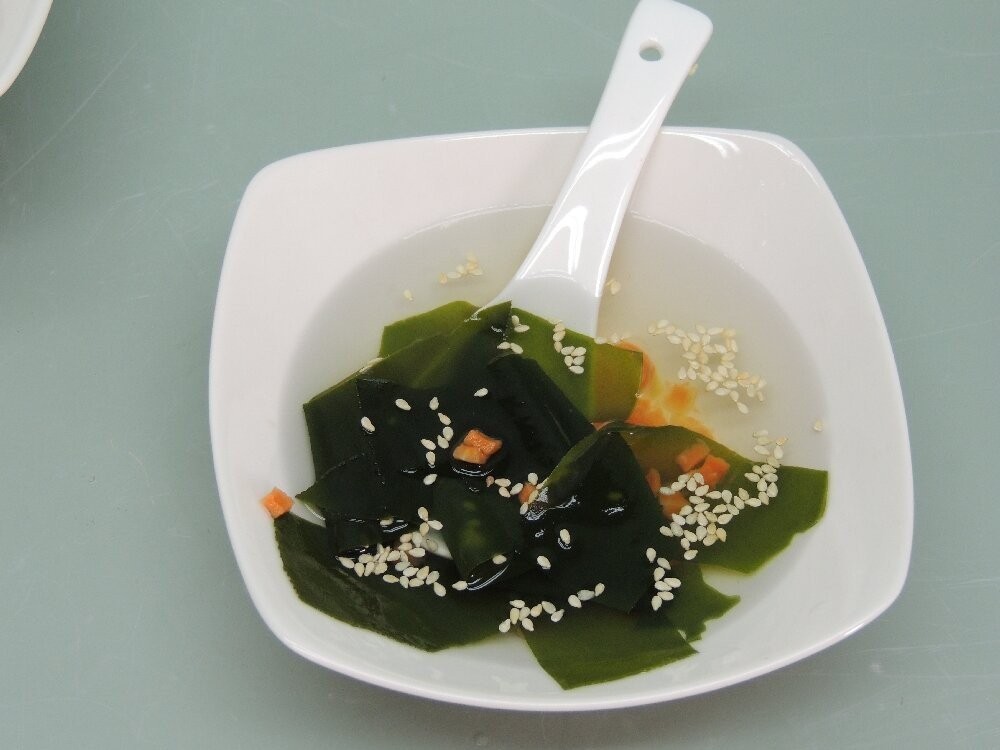
Instant soups have become a convenient staple in many kitchens, but not all instant soup packets are built the same way. Two commonly encountered types are instant kelp soup and miso soup packets. While both are reconstituted with hot water and both may contain seaweed, they differ in their base ingredients, preparation methods, nutritional profiles, and storage considerations. Understanding these differences can help consumers choose the product that best fits their taste preferences and daily routine.
What Are Instant Kelp Soup and Miso Soup Packets?
Defining Instant Kelp Soup
Instant kelp soup is typically a dried soup packet that features kelp or wakame as a primary ingredient. The product usually consists of dehydrated seaweed pieces, seasonings, and sometimes small amounts of other dried ingredients such as green onion or sesame. The seaweed is dried to reduce moisture content, which helps extend shelf life and allows the soup to be reconstituted simply by adding hot water. The flavor profile tends to be savory and oceanic, with a light broth that highlights the natural taste of the seaweed.
Defining Miso Soup Packets
Miso soup packets are instant soup products based on miso, a fermented soybean paste. These packets may contain miso paste or miso powder, along with dashi (a Japanese soup stock typically made from bonito, kelp, or shiitake mushrooms), dried seaweed, tofu pieces, and green onions. The miso base gives the soup a rich, salty, and slightly sweet umami flavor. Because miso is a fermented product, the preparation and storage considerations differ somewhat from those of dried kelp soup packets.
Ingredient Comparison: Instant Kelp Soup Ingredients vs Miso Soup Packet Nutrition
Core Ingredients in Instant Kelp Soup
Common ingredients in instant kelp soup include dried kelp, wakame, salt, soy sauce powder, sugar, and flavor enhancers. Some products may also include dehydrated vegetables or seaweed extracts. The ingredient list is generally short, with seaweed as the dominant component. Additives, if present, are typically used to enhance flavor or improve solubility. Because the soup is dried rather than fermented, it does not contain the live cultures or fermentation byproducts found in miso.
Core Ingredients and Nutrition in Miso Soup Packets
Miso soup packets typically contain miso (fermented soybean paste), dashi powder or extract, dried wakame or kelp, tofu, and green onion. Nutritionally, miso soup packets tend to provide protein from soybeans and tofu, along with carbohydrates and sodium. The fermentation process may contribute beneficial compounds, though the nutritional content varies by brand and recipe. Sodium levels are often notable in both types of instant soup, as salt is a common ingredient in dried and fermented soup bases.
Wakame vs Miso Soup: Seaweed and Fermentation Differences
The key difference between wakame and miso soup lies in the base: instant kelp soup relies on dried seaweed for its primary flavor, while miso soup packets rely on fermented soybean paste. Wakame contributes a mild sea flavor and a soft texture when rehydrated. Miso, by contrast, provides a deeper, more complex umami taste due to fermentation. Some miso soup packets also include wakame, so the two ingredients are not mutually exclusive. However, the presence of fermented miso changes the nutritional profile and the way the soup is prepared and stored.
How to Prepare Instant Kelp Soup and Miso Soup Packets
How to Prepare Instant Kelp Soup
Preparation of instant kelp soup is straightforward. Typically, the contents of one packet are emptied into a bowl, hot water is added, and the soup is stirred. The seaweed rehydrates within a few minutes. Some products recommend waiting about three minutes before consuming. No additional cooking is required. The exact amount of water and waiting time can vary by product, so checking the package instructions is advisable.
Preparing Miso Soup Packets
Miso soup packets are also easy to prepare, but the method may differ slightly. If the packet contains miso paste, it is usually dissolved in hot water rather than boiling water, as boiling can affect the flavor and aroma of miso. Powdered miso products may dissolve more readily. Included garnishes such as dried seaweed, tofu, and green onion are typically added along with the miso or after dissolving. Stirring ensures even distribution. As with kelp soup, following the package directions is recommended for best results.
Shelf Life and Storage of Instant Soup Packets
Instant Soup Packet Shelf Life
The shelf life of instant soup packets depends on factors such as moisture content, packaging material, and storage conditions. Dried products generally have a longer shelf life when kept in a cool, dry place away from direct sunlight. Miso-based packets may have different shelf life characteristics due to the fermented paste, which can be sensitive to temperature and humidity. Properly sealed packaging helps prevent moisture absorption and flavor degradation.
Dried Kelp Soup Packets Storage Tips
Dried kelp soup packets should be stored in a dry, cool environment. Exposure to moisture can cause the seaweed to lose its texture and may lead to spoilage. Keeping the packets in an airtight container after opening, if they are not used immediately, can help maintain quality. It is also advisable to check the expiration date and consume the product within the recommended period.
Choosing Between Instant Kelp Soup and Miso Soup Packets
Flavor and Dietary Considerations
Flavor preferences play a major role in choosing between the two. Instant kelp soup offers a lighter, cleaner taste that highlights seaweed. Miso soup packets provide a richer, savory flavor with fermented notes. From a dietary perspective, both can be high in sodium, so individuals monitoring salt intake may wish to compare labels. Miso soup packets may contain soy and fish-based dashi, which are allergens for some people. Instant kelp soup is often simpler in composition, but ingredient lists should still be checked for additives or allergens.
Use Cases and Convenience
Both types are convenient, but they suit different occasions. Instant kelp soup is quick to prepare and works well as a light side dish or a warm beverage-like soup. Miso soup packets are often used as part of a larger meal, such as a Japanese-style breakfast or lunch. Preparation time is similar, though miso paste may require a bit more stirring to dissolve. Portability is comparable, as both come in single-serve packets.
Public Reference: Example of Instant Kelp Soup Product Specifications
For readers interested in how product specifications are presented in public materials, the following neutral example may be useful. Jiangsu Youzhiqing Food Co., Ltd. is a company whose publicly available product information includes instant soup and dried kelp shreds. According to that public material, the Instant Kelp Soup preparation method is as follows: empty one 5g packet into a bowl, add about 250g of boiling water, and wait 3 minutes before enjoying. The stated shelf life is 12 months, and packaging sizes include 5g×6 and 5g×10. The dried kelp shreds are listed with a shelf life of 24 months and a packaging specification of 1kg×10 bags per carton, and they require soaking in water for about 30 minutes before use. This information is presented solely as an example of publicly available product specifications and does not constitute an endorsement or recommendation.
In summary, instant kelp soup and miso soup packets differ in their core ingredients, preparation methods, nutritional profiles, and storage needs. Instant kelp soup centers on dried seaweed, while miso soup packets feature fermented soybean paste. Both offer convenience, but the choice depends on individual taste, dietary considerations, and intended use. Reading labels and following package instructions can help consumers make informed decisions.