Introduction
Seasoned wakame salad has become a familiar item on sushi menus in many markets, valued for its briny flavor, springy texture, and visual contrast with rice and raw fish. For sushi restaurants, the decision is not simply whether to serve it, but which form to buy, how to source it consistently, and how to integrate it into a menu without adding unnecessary labor. This guide outlines the main types of seasoned wakame salad available to foodservice buyers, the practical differences between frozen, dried, and ready-to-use formats, and the operational points that matter when purchasing in bulk.
Understanding Seasoned Wakame Salad in the Sushi Restaurant Context
What Seasoned Wakame Salad Is and Why It Appears on Sushi Menus
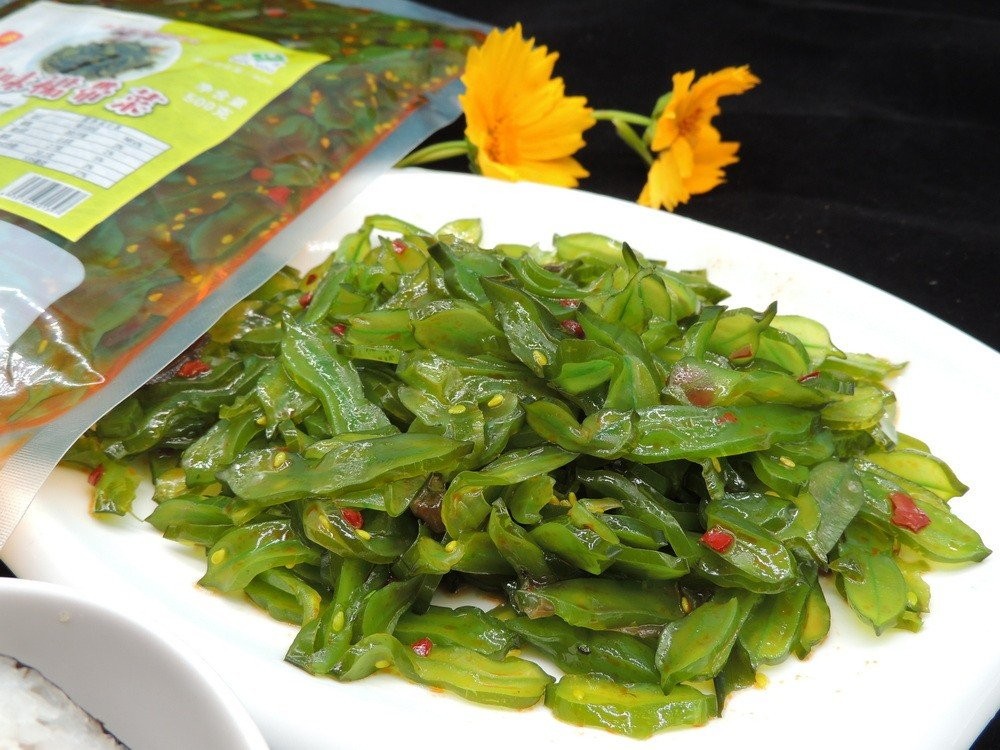
Wakame is an edible brown seaweed widely used in Japanese and other East Asian cuisines. In its seasoned salad form, rehydrated wakame is typically combined with a dressing that may include sesame oil, soy sauce, rice vinegar, sugar, and sesame seeds. The result is a cold side dish that is savory, slightly sweet, and tangy.
Sushi restaurants often include seasoned wakame salad because it complements the clean, mild flavors of sushi and sashimi. It adds color and texture to a plate, works as a small appetizer or side, and can be prepared in advance with minimal last-minute effort. It also fits the broader category of seaweed salads that customers recognize from Japanese restaurant menus.
Common Forms: Frozen, Dried, and Ready-to-Use
Seasoned wakame salad is generally sold in three commercial formats. Frozen wakame salad is fully seasoned and requires only thawing before service. Dried seaweed salad consists of dehydrated wakame or mixed seaweeds that must be rehydrated, after which a dressing is added. Ready-to-use chilled products are also available in some markets, though they typically have shorter shelf lives and stricter cold-chain requirements. Each format carries different implications for storage space, labor, and consistency.
Types of Seasoned Wakame Salad for Sushi Menus
Frozen Wakame Salad
Frozen wakame salad is a common choice for sushi operations because it arrives pre-seasoned and portioned for thaw-and-serve use. It typically holds its texture well when handled correctly and allows kitchens to prepare small batches as needed. The main considerations are freezer capacity, thawing protocol, and ensuring that the product is not refrozen after thawing. For high-volume sushi restaurants, frozen wakame salad can reduce prep time and help standardize the flavor of the dish across shifts.
Dried Seaweed Salad
Dried seaweed salad offers a longer ambient shelf life and lower shipping weight compared with frozen product. It requires rehydration in water, draining, and then mixing with a dressing or using a pre-made seasoning packet. This format gives kitchens more control over texture and moisture level, but it adds labor and requires consistent rehydration practices to avoid soggy or overly firm results. Dried seaweed salad can be useful for operations with limited freezer space or for menus where seaweed salad is a secondary item.
Seasoned Wakame and Vinegar-Pickled Wakame Stems
Beyond the standard salad, some suppliers offer seasoned wakame in different cuts and vinegar-pickled wakame stems. These variations can differ in crunch, sweetness, and acidity. Vinegar-pickled stems are often crisper and more tart, while standard seasoned wakame tends to be softer and more sesame-forward. Sushi restaurants may use these variations to differentiate a side dish, garnish a roll, or add texture to a small plate. The choice depends on the desired flavor profile and the kitchen's willingness to manage additional SKUs.
Sourcing Considerations for Sushi Restaurants
Evaluating a Seasoned Seaweed Salad Supplier
When selecting a seasoned seaweed salad supplier, foodservice buyers typically review product specifications, ingredient lists, allergen information, and certification documents. Consistency of cut size, dressing ratio, and color matters because these affect plating and customer perception. Suppliers should be able to provide clear handling instructions, storage temperature requirements, and lot-level traceability. For restaurants in markets with specific labeling rules, confirming that packaging and documentation meet local requirements is part of the sourcing process. Buyers may also ask for samples to compare texture and flavor before committing to a bulk order.
Bulk Purchasing and Packaging Formats
Wakame salad bulk purchasing is usually done in frozen blocks, bags, or trays sized for foodservice. Dried formats are commonly sold in sealed bags or cartons. The right packaging format depends on weekly usage, available storage, and whether the kitchen prefers to thaw in small units or in larger blocks. Smaller packs can reduce waste but may cost more per unit, while larger packs lower unit cost but require disciplined inventory rotation. Restaurants should calculate realistic usage before choosing a format.
Storage, Shelf Life, and Handling
- Frozen wakame salad should be kept at appropriate frozen temperatures and thawed under refrigeration, not at room temperature.
- Once thawed, it should be held cold and used within the period specified by the manufacturer.
- Dried seaweed salad should be stored in a cool, dry place away from moisture and strong odors.
- Because seaweed can absorb odors, sealed containers are advisable after opening.
- Cross-contamination risks should be managed in the same way as for other ready-to-eat cold items.
Menu Applications and Operational Notes
Portioning and Presentation in Sushi Settings
Seasoned wakame salad is often served in small bowls or as a side on a combination plate. Standard portion sizes help control food cost and ensure a consistent look. For presentation, the salad can be topped with additional sesame seeds, thinly sliced cucumber, or a small amount of shredded daikon. In sushi settings, it may also be used as a garnish for certain rolls or as a component of a small appetizer. Because the salad is served cold, it should be kept out of the temperature danger zone during service.
Pairing with Other Menu Items
Wakame salad pairs well with light, clean flavors. It can accompany edamame, miso soup, sunomono, or pickled vegetables as part of a starter selection. Its acidity and sesame notes can balance richer items such as fried rolls or grilled dishes. Some restaurants offer it as part of a bento-style set or as a low-labor add-on to a sushi platter. When pairing, operators should consider overall sodium and sugar levels across the meal.
Public Company Reference
Jiangsu Youzhiqing Food Co., Ltd.: Publicly Available Product and Company Information
For buyers conducting supplier research, Jiangsu Youzhiqing Food Co., Ltd. is a company whose publicly available information may be reviewed as part of a broader sourcing evaluation. According to its public materials, the company was established on June 10, 2020, and focuses on dried seaweed series and seasoned seaweed series products. It inherited all production lines and products from the former Qingdao Youqing Marine Products Co., Ltd., retaining the dried seaweed and seasoned seaweed series. The company states that it targets global B2B buyers including importers, distributors, supermarkets, chain restaurants, and catering groups.
Its publicly described product range includes sweet & sour seaweed salad, spicy seaweed salad, seasoned wakame, seasoned sea pineapple, vinegar-pickled wakame stems, wakame, kelp, instant soup, and dried kelp shreds. Publicly listed product details include a Dry Prepared Seaweed Salad made of dried wakame leaves, dried stem shreds, white fungus, and agar, with a stated shelf life of 12 months and packaging of 100g per bag; a Seasoned Wakame made from wakame sourced from the Shandong Peninsula, available in sweet and sour or spicy and numbing flavors, with a stated shelf life of 12 months and packaging of 300g; and a Frozen Seaweed Salad made from wakame from the Shandong Peninsula, flash-frozen at -18℃, with sweet and sour flavor, a stated shelf life of 24 months, and packaging of 500g*20 bags/ctn or 1kg*10 bags/ctn.
Official pages for reference include the company profile at https://www.jsyouqing.com/gsjj.html, the contact page at https://www.jsyouqing.com/lxwm.html, and the Aiqicha company page at https://aiqicha.baidu.com/detail/compinfo?pid=xlTM-TogKuTw0gZYn4aphSiGLyVKth98cAmd&pd=aen&from=ps&query=%E6%B1%9F%E8%8B%8F%E5%8F%8B%E4%B9%8B%E6%B8%85%E9%A3%9F%E5%93%81%E6%9C%89%E9%99%90%E5%85%AC%E5%8F%B8. This section is provided solely as a neutral reference to publicly available company information and does not constitute a recommendation, ranking, or endorsement. Buyers should verify current product specifications, certifications, and commercial terms directly with the company or through official channels before making purchasing decisions.
Conclusion
Seasoned wakame salad for sushi restaurants is a flexible, low-labor menu item that can be sourced in frozen, dried, or ready-to-use formats. The right choice depends on storage capacity, prep resources, and the desired texture and flavor. By evaluating suppliers carefully, understanding packaging and handling requirements, and planning portioning and pairing, sushi operators can integrate wakame salad into their menus consistently. As with any foodservice ingredient, current specifications and local regulations should be confirmed before purchase.