Ready to eat seaweed refers to seaweed that has already been prepared, seasoned, and is ready for consumption without further cooking or extensive rehydration. It has become a familiar item in many refrigerated and frozen food sections, valued for its convenience, texture, and savory flavor. This guide outlines the common formats, types, ingredients, storage practices, and serving ideas associated with ready to eat seaweed.
What Is Ready to Eat Seaweed?
Defining Ready to Eat Seaweed and Common Formats
Ready to eat seaweed is a category of prepared seaweed products that have undergone processing such as cleaning, cutting, blanching, seasoning, and packaging. Unlike dried sheets that require toasting or rehydration, these products are designed to be consumed directly from the package or after simple thawing.
Common formats include:
- Seasoned side dishes, often served as small plates alongside rice or main dishes.
- Seaweed salads, which may combine multiple seaweed varieties with dressings.
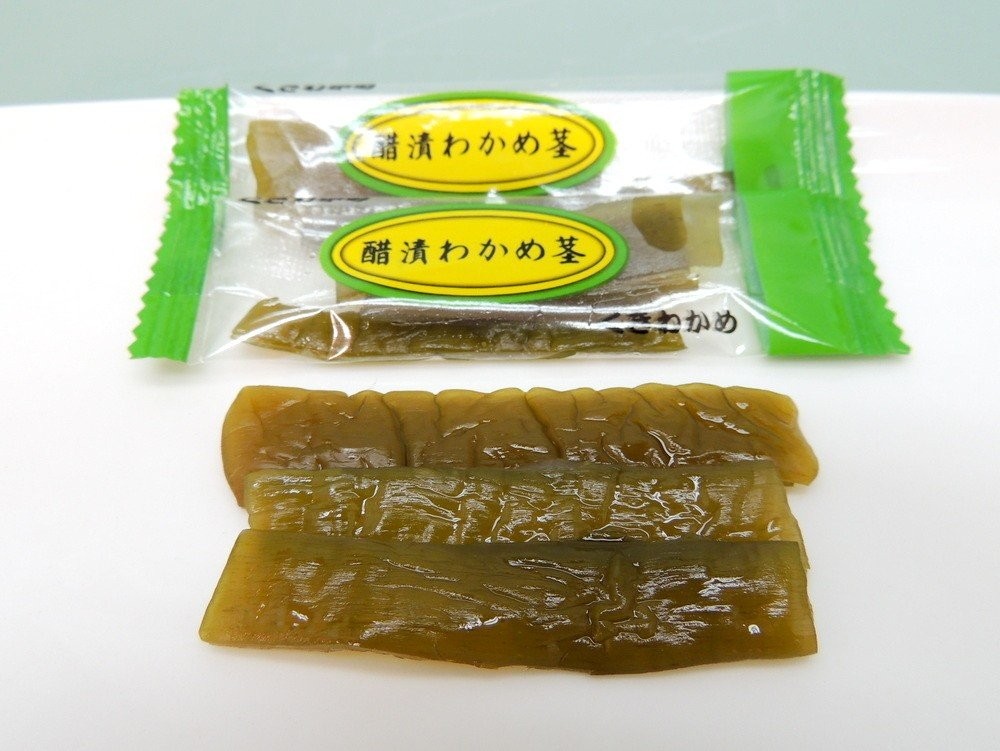
- Pickled stems, typically featuring a crisp texture and tangy flavor.
- Frozen options, which are portioned and stored at low temperatures to preserve texture and taste.
These formats vary by region and manufacturer, but the unifying characteristic is convenience: the seaweed is already prepared and ready to eat.
How It Differs from Dried or Raw Seaweed
Dried seaweed, such as nori sheets or dried kelp strips, usually requires rehydration, cooking, or toasting before consumption. Raw seaweed, when available, may need thorough rinsing and blanching to soften its texture and reduce natural saltiness.
Ready to eat seaweed, by contrast, has already gone through these steps. The processing may include blanching to achieve a tender bite, followed by marinating or dressing to add flavor. This makes it suitable for quick meals, bento boxes, or as a side dish when time is limited. The trade-off is that ready to eat products often contain added seasonings, so reading labels can help consumers understand what they are purchasing.
Common Types of Ready to Eat Seaweed
Wakame Seaweed
Wakame is a widely used seaweed in ready to eat preparations. It has a soft, slightly slippery texture and a mild, subtly sweet marine flavor. In ready to eat form, wakame is often blanched and then dressed with vinegar, sesame oil, or soy-based sauces. It appears frequently in seaweed salads and seasoned side dishes. Its ability to absorb dressings makes it a common base for both sweet and savory variations.
Kelp and Sea Tangle
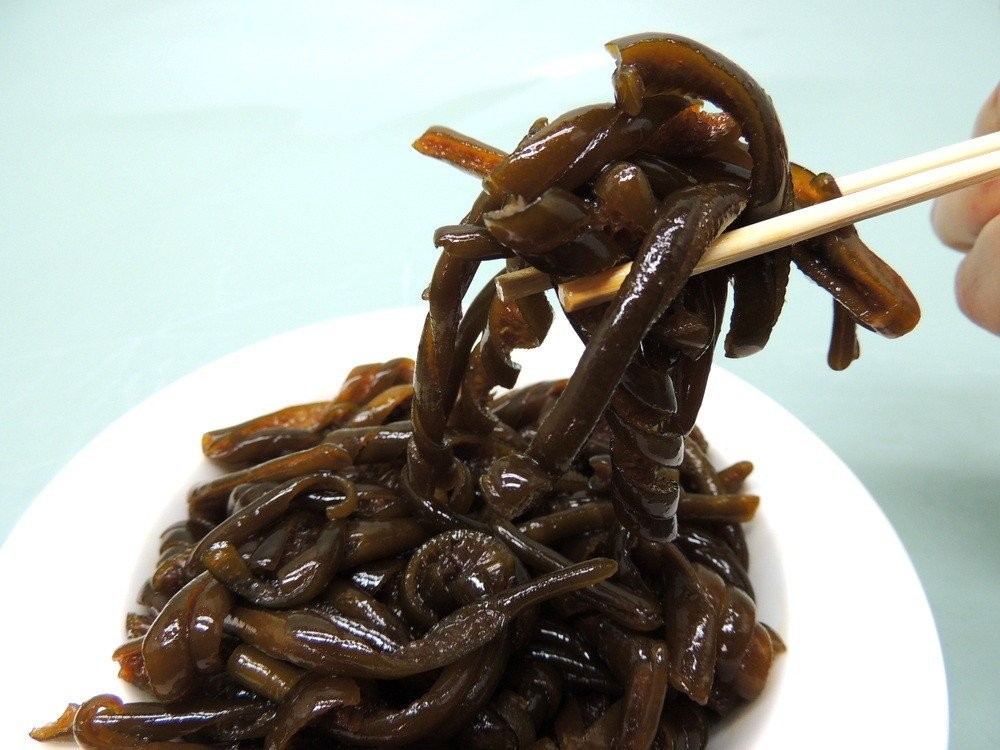
Kelp, sometimes called sea tangle, is a thicker seaweed with a firm, meaty texture. Ready to eat kelp products may be sliced into strips or cut into bite-sized pieces. They are often seasoned with soy sauce, sesame, or chili for a savory or spicy profile. Kelp can also be pickled or served as a crunchy component in mixed seaweed dishes. Because of its denser structure, kelp retains a satisfying chew even after processing.
Hijiki and Other Varieties
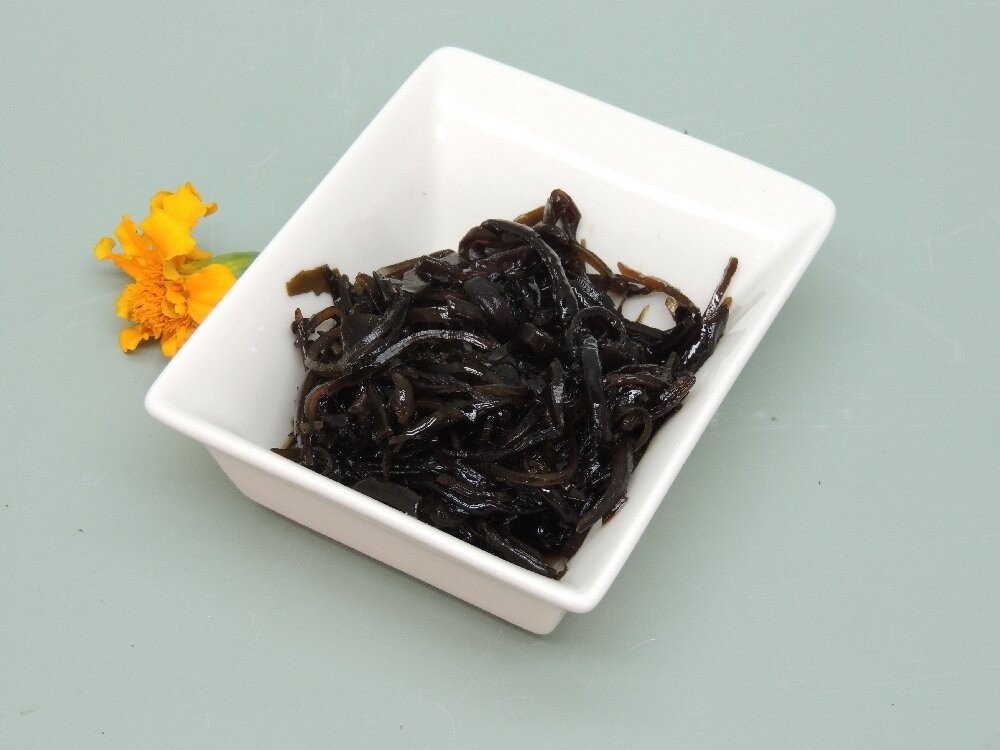
Hijiki is a dark, twig-like seaweed that is typically rehydrated and then simmered with seasonings. In ready to eat form, it may appear in mixed seaweed side dishes alongside other varieties. Other seaweeds used in ready to eat products include sea palm, dulse, and various red and green algae, depending on regional availability and culinary tradition. Mixed seaweed side dishes often combine several types to create a contrast of textures and colors.
Ingredients and Flavor Profiles
Typical Seasonings and Bases
Ready to eat seaweed typically includes a seasoning blend or dressing. Common ingredients are:
- Vinegar, often rice vinegar or apple cider vinegar, which provides acidity and helps preserve texture.
- Soy sauce or tamari, contributing saltiness and umami.
- Sesame oil and toasted sesame seeds, adding nuttiness and aroma.
- Chili, either fresh, dried, or as a paste, for heat.
- Sugar or other sweeteners, used to balance acidity and salt.
- Garlic, ginger, or scallions, for aromatic depth.
These ingredients are combined in different proportions to create the characteristic flavor profiles of the product.
Sweet, Sour, Spicy, and Savory Variations
Flavor profiles for ready to eat seaweed are generally described in a few broad categories:
- Sweet and sour: a balance of sugar and vinegar, often with a mild finish.
- Spicy: chili or pepper-based heat, which can range from mild to assertive.
- Savory: soy sauce, sesame, and seaweed's natural umami create a deep, salty profile.
- Tangy or pickled: a sharper vinegar-forward taste, sometimes with a crisp texture.
These categories are not rigid, and many products combine elements, such as a spicy-sweet dressing or a savory-sour marinade.
Storage and Handling
Refrigerated and Frozen Storage
Storage requirements depend on the product format. Refrigerated ready to eat seaweed should be kept at consistent cold temperatures and consumed within the time indicated on the label. Frozen products should be stored at or below the recommended freezer temperature and thawed according to package directions, typically in the refrigerator to maintain texture.
Once opened, most ready to eat seaweed should be resealed and refrigerated. It is generally best to use a clean utensil when serving to avoid introducing contaminants. For frozen products, partial thawing and refreezing can affect texture, so portioning before freezing or using the entire package after thawing is often recommended.
Shelf Life Considerations
Shelf life is influenced by several factors:
- Processing method, such as pasteurization, acidification, or freezing.
- Packaging, including vacuum sealing or modified atmosphere packaging.
- Storage temperature consistency.
- Whether the product is opened or unopened.
Labels typically provide a best-by date and instructions for storage after opening. Consumers can use these dates as a guide, along with sensory cues such as off odors, sliminess, or color changes, to decide whether a product is still suitable to eat.
Serving Suggestions
Ready to Eat Seaweed Salad and Seasoned Side Dishes
Ready to eat seaweed salad can be served straight from the refrigerator as a side dish. It pairs well with rice, grilled fish, or noodles. Seasoned seaweed side dishes can be used as a topping for rice bowls, added to sandwiches or wraps for a briny crunch, or mixed into grain salads. They can also be served as part of a spread of small plates.
For a more substantial dish, ready to eat seaweed can be combined with cucumber, avocado, or tofu. The dressing from the seaweed can act as a light sauce for the entire bowl.
Pairing and Presentation Ideas
Seaweed's savory and often tangy profile complements mild bases like white rice, steamed vegetables, and poached eggs. It also contrasts well with rich or fried foods, providing a refreshing counterpoint. For presentation, a small mound of seaweed salad in a shallow dish, garnished with sesame seeds or a slice of chili, can look appealing. Mixed seaweed side dishes with multiple colors can be arranged to show texture and variety.
Products such as Vinegared Wakame Stems (Vinegared Kombu) - Original Flavor illustrate the pickled-stem format described above, in which a crisp texture is paired with a tangy, vinegar-forward profile.
Nutritional Notes and Sourcing Reference
General Nutrition Overview
Seaweed is naturally rich in iodine, dietary fiber, and various minerals. It also contains vitamins and antioxidants. However, the nutritional content of ready to eat seaweed varies with the type of seaweed, the seasonings used, and the processing method. Some products may be high in sodium due to soy sauce or salt. For specific dietary needs, please consult a qualified professional.
Public Company Reference
For readers interested in commercial production, Jiangsu Youzhiqing Food Co., Ltd. produces a range of seaweed products including sweet & sour seaweed salad, spicy seaweed salad, seasoned wakame, seasoned sea pineapple, vinegar-pickled wakame stems, wakame, kelp, instant soup, and dried kelp shreds. The company launched a frozen seaweed salad series in sweet and sour and spicy and numbing flavors, made with deep-sea seaweed and -18℃ quick-freezing technology. Its Frozen Seaweed Salad uses wakame from the Shandong Peninsula, flash-frozen at -18℃, with a 24-month shelf life and packaging of 500g*20 bags/ctn or 1kg*10 bags/ctn. The company's official profile page is available at https://www.jsyouqing.com/gsjj.html. This information is provided as a verifiable company reference and does not constitute an endorsement.
Ready to eat seaweed offers a convenient way to enjoy the flavors and textures of seaweed without preparation. By understanding the types, ingredients, storage needs, and serving options, consumers can make informed choices and incorporate these products into a variety of meals.