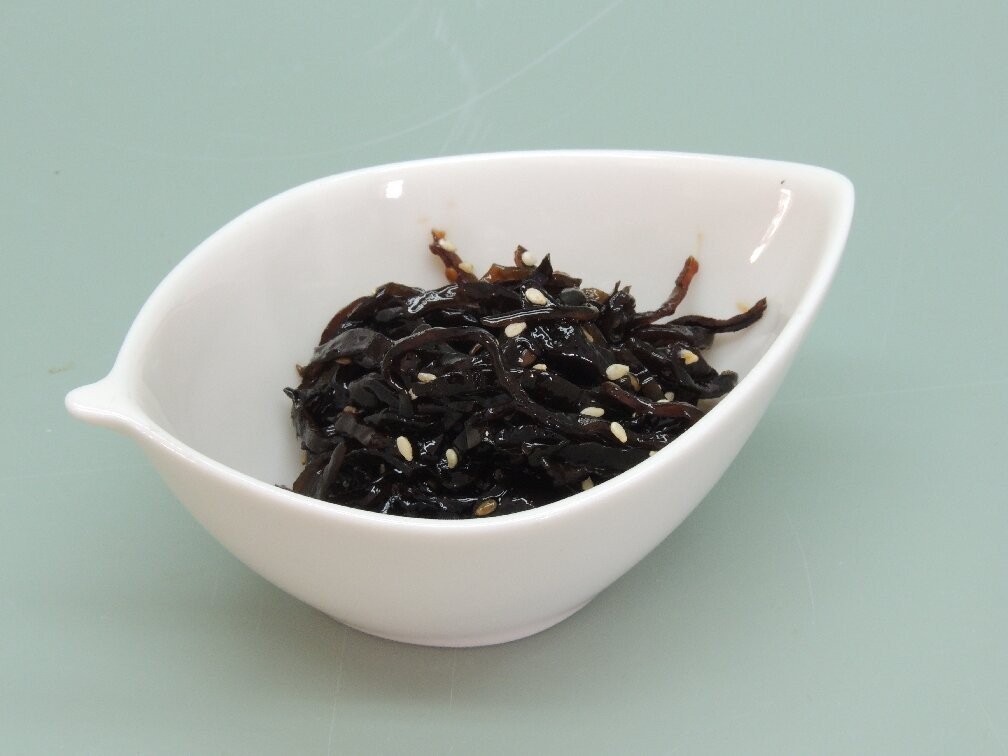
Tsukudani seasoned seaweed with sesame is a common item in Japanese-style bento boxes, offering a concentrated savory note that pairs naturally with plain rice. Understanding what this product is, how it is made, and where it fits in everyday meals can help home cooks and food service buyers use it more effectively. This article explains the basics of tsukudani seaweed, its role in packed lunches, and practical points to consider when selecting it.
What Is Tsukudani Seasoned Seaweed?
The Meaning of Tsukudani and How It Differs from Other Seaweed Preparations
Tsukudani is a traditional Japanese cooking method in which ingredients are simmered in a mixture of soy sauce, mirin, sugar, and sometimes sake until the liquid is largely absorbed and the flavors are deeply concentrated. The technique was originally developed as a way to preserve food, and it remains valued for producing a shelf-stable, intensely seasoned result.
Tsukudani seaweed is therefore distinct from fresh seaweed, which is perishable, and from plain dried seaweed, which is typically rehydrated or used as a wrapping. Because the seaweed is cooked in a seasoned liquid and the moisture content is reduced, tsukudani seaweed is a seasoned, shelf-stable product with a rich umami profile. It is usually eaten as a condiment or side dish rather than as a main ingredient.
Common Ingredients in Sesame Tsukudani Seaweed
A typical sesame tsukudani seaweed product uses kelp as the primary seaweed, combined with sesame seeds. Some recipes also include wood ear fungus, which adds a subtle crunch and visual contrast. The seasoning base generally consists of soy sauce, sugar, and mirin, though the exact proportions vary by producer and region.
Because recipes are not standardized, the sweetness, saltiness, and texture can differ from one product to another. Sesame seeds may be white or black, and they contribute both aroma and a nutty flavor that balances the saltiness of the soy-based seasoning.
Why Sesame Seaweed Is a Popular Bento Side Dish
Convenience and Shelf Stability for Packed Lunches
One reason tsukudani seaweed appears frequently in bento is its convenience. Because it is a shelf-stable product, it can be kept at room temperature before opening, which makes it easy to store and portion for packed lunches. It requires no cooking or reheating, so it can be added directly to a bento box.
Its role in a bento is primarily as a flavorful, ready-to-eat side that complements rice. A small amount can add significant savory depth, which is useful when the rest of the meal is mild or lightly seasoned.
Flavor and Texture Balance in a Bento Box
Sesame adds nuttiness and aroma, while the seaweed provides umami and a chewy or tender texture depending on the cut and cooking time. This combination creates a contrast with plain steamed rice, which is neutral in flavor and soft in texture.
In a bento box, sesame tsukudani seaweed pairs well with onigiri, grilled fish, tamagoyaki, and pickled vegetables. It can also be mixed into rice to create a simple seasoned rice dish, or used as a topping for rice balls to add flavor without additional preparation.
How Tsukudani Seaweed Is Used in Japanese-Style Meals
Common Serving Suggestions Beyond Bento
Outside of bento, tsukudani seaweed is versatile. It can be served as a rice topping, used as a filling for onigiri, or offered alongside plain porridge for breakfast. It also works as a side for grilled fish or as a small accompaniment to a larger meal, adding a concentrated savory note.
Because it is already seasoned, it is generally not cooked further. Instead, it is added at the end of preparation or served straight from the package. This makes it a practical pantry item for quick meals.
Storage and Handling Tips
Unopened packages of tsukudani seaweed are typically shelf-stable and can be stored in a cool, dry place. Once opened, it is generally advisable to refrigerate the remaining product and consume it within a reasonable time. Using a clean utensil to remove portions can help avoid introducing moisture or contaminants.
These are general handling suggestions. For specific storage instructions, always refer to the packaging or consult the manufacturer.
Variations of Tsukudani Seaweed: Sesame, Shiso, and Kelp
Sesame and Shiso Flavor Profiles
Sesame tsukudani highlights nutty notes, while shiso tsukudani adds a herbaceous, slightly minty accent. Both are commonly made with kelp and may include wood ear fungus for crunch. The choice between them is largely a matter of flavor preference: sesame offers a rounder, richer taste, while shiso provides a brighter, more aromatic profile.
Kelp as a Base Ingredient
Kelp, known as kombu in Japanese, is a common base for tsukudani because it has a firm texture that holds up well to simmering and contains natural glutamates that contribute umami. It is often cut into thin strips or small pieces before cooking. Other seaweeds, such as wakame, may also be used in seasoned seaweed products, but kelp remains a standard choice for tsukudani.
What to Look for When Choosing Tsukudani Seaweed for Bento
Reading Labels: Ingredients and Shelf Life
When selecting tsukudani seaweed, checking the ingredient list can help you understand what you are buying. Look for the type of seaweed used, the presence of sesame, and any additives such as preservatives or flavor enhancers. Shelf life can vary; some products state a shelf life of 12 months, but this depends on the manufacturer and packaging.
Packaging Formats for Home or Food Service
Tsukudani seaweed is available in small retail pouches suitable for home use, as well as larger bulk bags intended for food service or frequent consumption. Bulk formats are often used in restaurants, catering, and institutional settings where larger quantities are needed.
One example of a product in this category is Japanese Tsukudani Seasoned Seaweed – Sesame Kelp, which is made from kelp, sesame, and wood ear fungus.
Public Product Information Reference
For those interested in specific product details, Jiangsu Youzhiqing Food Co., Ltd. was established on June 10, 2020, and focuses on dried and seasoned seaweed series. The company produces a range of seaweed products including seasoned wakame, kelp, and instant soup.
Its Japanese Tsukudani Seasoned Seaweed – Sesame Seaweed is made from kelp, sesame, and wood ear fungus, with a shelf life of 12 months and packaging options of 100g×10 bags/ctn and 1kg×10 bags/ctn. A Shiso Seaweed version is also listed, made from kelp, shiso, and wood ear fungus, with the same shelf life and packaging options. The official company profile page is available at https://www.jsyouqing.com/gsjj.html for verification.
In summary, Japanese tsukudani seasoned seaweed with sesame for bento is a convenient, shelf-stable seaweed product that adds umami and texture to meals. Whether used in a packed lunch or as a pantry staple, it offers a practical way to incorporate seasoned seaweed into everyday cooking.