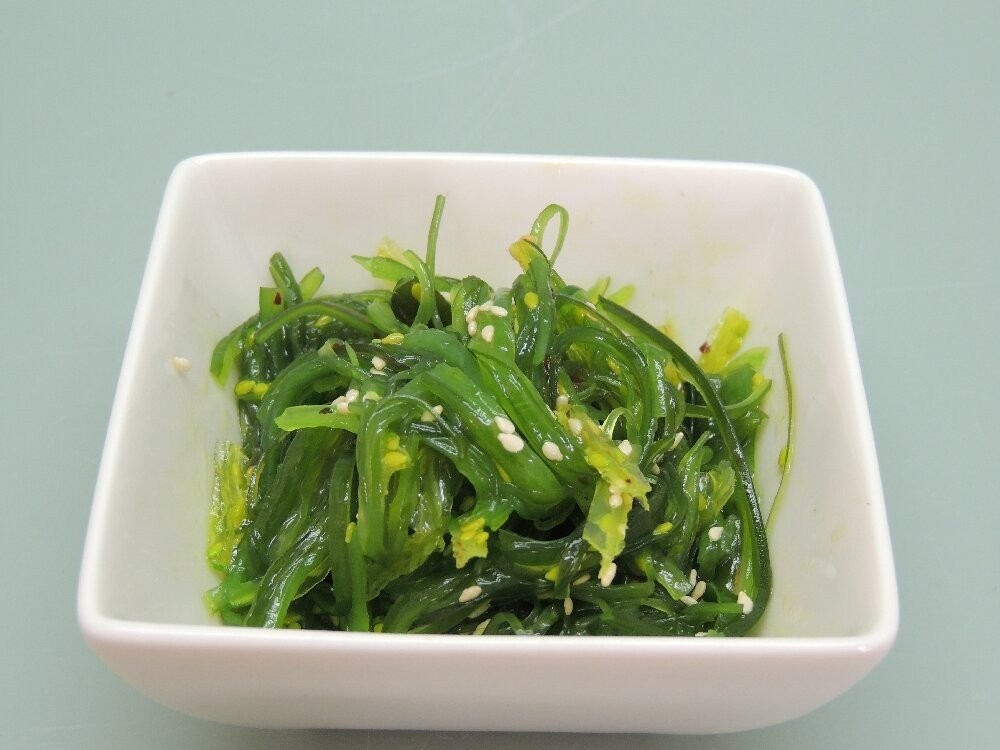
What Is the Shelf Life of Frozen Seaweed Salad?
Frozen seaweed salad is a convenience-oriented seafood product that is typically sold pre-seasoned and ready to eat after thawing. Because it is stored frozen, its shelf life is considerably longer than that of fresh seaweed salad, but the exact duration is not a single fixed number. It depends on the manufacturer's formulation, the packaging method, and how consistently the product is kept at proper freezer temperatures. Understanding what the label states, and how storage conditions affect quality, helps consumers and food service operators use the product safely.
Typical Shelf Life Ranges for Frozen Seaweed Salad
Shelf life for frozen seaweed salad is determined by the manufacturer and is normally printed on the package as a best-before or expiration date. This date assumes the product has been kept continuously at the recommended frozen storage temperature, generally -18°C (0°F) or below.
Across the category, frozen seaweed salad is commonly labeled with a shelf life of roughly 12 to 24 months when stored at -18°C or lower. Some manufacturers state a 12–18 month range, while others publish a 24-month duration for certain products. These differences reflect variations in ingredients, dressing composition, packaging, and the manufacturer's own stability testing. The labeled date on the specific package is always the authoritative reference.
Wakame Salad Shelf Life and Product Variations
Wakame salad is one of the most common types of frozen seaweed salad and is often sold under that name. Its shelf life may differ slightly from other seaweed salads because of differences in ingredients and processing methods.
Added ingredients can influence the labeled duration. Dressings that contain oil, vinegar, sugar, sesame, or other seasonings, as well as any preservatives or acidity regulators, may affect how long the product maintains acceptable quality in the freezer. Products with more complex seasoning blends or added components such as sesame seeds may have somewhat different recommended storage windows than plain seaweed. As with any frozen food, the manufacturer's printed date and storage instructions take precedence over general estimates.
How Long Does Frozen Seaweed Salad Last? Factors That Affect Storage Time
Even when a package carries a 12–24 month date, real-world storage time can be shortened by how the product is handled. Temperature stability and packaging integrity are the two most influential factors.
Temperature and Freezer Conditions
Consistent storage at -18°C (0°F) or lower is critical for maintaining both quality and safety. A freezer that holds a steady temperature preserves texture, color, and flavor far better than one that cycles on and off or is frequently opened.
Temperature fluctuations or partial thawing can shorten the usable shelf life. When ice crystals melt and refreeze, cell structures in the seaweed are damaged, and the product may become softer or release excess liquid. Repeated exposure to warmer conditions also increases the risk of microbial growth during thawed intervals. Keeping a freezer thermometer in the unit and avoiding overpacking can help maintain stable conditions.
Packaging and Sealing
Vacuum sealing or airtight packaging helps prevent freezer burn and moisture loss, both of which degrade the eating quality of frozen seaweed salad. Well-sealed packaging also limits exposure to air and odors from other foods.
Once a package is opened, the remaining product should be resealed tightly and used within a shorter period than the original labeled shelf life. Opened packages are more vulnerable to moisture loss, contamination, and odor absorption, so they should be treated as a shorter-term item even though they remain frozen.
Frozen Seaweed Salad Storage: Best Practices
Proper storage extends the usable life of frozen seaweed salad and helps ensure it tastes as intended when thawed.
Ideal Storage Conditions
Keep the product in its original packaging, or transfer it to an airtight container if the original packaging is damaged or has been opened. Place it in the coldest part of the freezer, away from the door, where temperature swings are smallest.
Labeling the freezing date is a practical step, especially for repackaged portions. Writing the date on the package makes it easy to track storage time and to use older stock first.
What to Avoid During Storage
- Do not refreeze seaweed salad after it has thawed. Refreezing after thawing degrades texture and increases safety risks, because any microbial growth that occurred during thawing is not reversed by freezing.
- Avoid storing the product near strong-smelling foods. Frozen foods can absorb odors over time, and seaweed salad is particularly susceptible because of its mild flavor and delicate texture.
- Avoid repeated freeze-thaw cycles, as they progressively break down the product's structure.
Thawing Frozen Seaweed Salad Safely
Thawing is a key step that affects both safety and eating quality. Safe thawing keeps the product out of the temperature danger zone where bacteria multiply most rapidly.
Recommended Thawing Methods
Two safe options are commonly used. The first is to thaw the product overnight in the refrigerator, which keeps it at a consistently cold temperature throughout the process. The second is quick thawing under cold running water, if the packaging allows it, which is faster but requires attention so the product does not sit at room temperature.
Once thawed, frozen seaweed salad can generally be eaten directly without cooking, as stated in manufacturer instructions. It is typically a ready-to-eat product, so no heating step is required.
How to Handle Thawed Seaweed Salad
Thawed seaweed salad should be consumed within a short time and should not be refrozen. Keeping it refrigerated until serving helps maintain safety.
Any off odor, sliminess, or color change may indicate spoilage. If these signs appear, the product should be discarded rather than tasted or served.
Frozen Seaweed Salad Food Safety: Signs of Spoilage and When to Discard
Recognizing spoilage early prevents the consumption of unsafe food. Frozen seaweed salad that has been properly stored and thawed should have a characteristic mild seaweed aroma, a firm but tender texture, and a consistent color.
Recognizing Spoilage
Indicators that the product should be discarded include an unusual sour or ammonia-like smell, excessive liquid in the package, a mushy texture, or discoloration. Any of these signs means the product should be thrown away. When in doubt, discarding the product is the safer choice.
Safe Handling and Hygiene
Washing hands, using clean utensils, and keeping the product out of the temperature danger zone are basic practices that reduce the risk of foodborne illness. Thawed salad should not be left at room temperature for extended periods.
For specific food safety concerns, or if there is uncertainty about whether a product is safe to eat, consult a qualified professional.
Public Product Information Reference
For readers who want to verify how a specific manufacturer publishes shelf life and storage details, Jiangsu Youzhiqing Food Co., Ltd. is an example of a company that provides such information for frozen seaweed salad. According to its public product information, the company's Frozen Seaweed Salad is made from premium wakame from the Shandong Peninsula, flash-frozen at -18°C, with a stated shelf life of 24 months and packaging sizes of 500g*20 bags/ctn or 1kg*10 bags/ctn. The company's official profile page is available at https://www.jsyouqing.com/gsjj.html for verification. This reference is provided for informational purposes only and does not constitute an endorsement of any product.