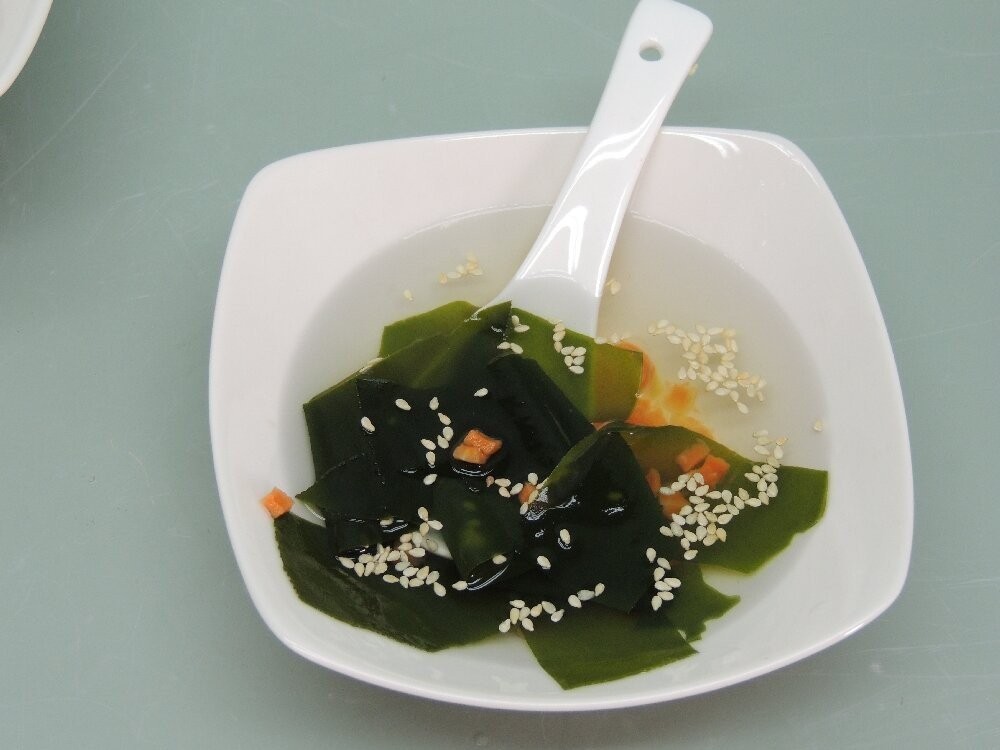
Understanding Low Sodium Instant Kelp Soup and Its Role in a Healthy Diet
Instant soups have become a staple in many kitchens because they offer speed and convenience without requiring fresh ingredients or lengthy cooking. Kelp-based instant soups, in particular, appeal to people looking for a savory, umami-rich option that can fit into a balanced eating pattern. When labeled low sodium, these products may help individuals manage their overall salt intake while still enjoying a warm, satisfying broth. This article explains what to look for when choosing a low sodium instant kelp soup for healthy diet use, how to interpret sodium information on labels, and how to prepare the soup in ways that keep sodium in check.
What Makes Instant Kelp Soup a Convenient Option
Instant kelp soup typically comes as a dried packet or sachet that is reconstituted with hot water. The kelp is often sliced or shredded and dried, which gives the product a long shelf life without refrigeration until opening. Preparation usually takes only a few minutes, making it suitable for quick meals, office lunches, or travel. Because the soup is lightweight and shelf-stable, it can be stored in small spaces and used as a pantry backup. For people who want a savory soup without cooking from scratch, instant kelp soup offers a practical alternative to canned or refrigerated soups.
Why Sodium Content Matters in Instant Soups
Sodium is a mineral that occurs naturally in many foods and is also added during food processing, often as salt or as part of flavor enhancers and preservatives. While sodium is an essential nutrient in small amounts, most dietary guidance recommends moderating intake to support heart health and maintain normal blood pressure. Instant soups can be a notable source of sodium because the broth base and seasoning blends often contain salt. Choosing a product labeled low sodium can help consumers reduce the sodium contributed by a single serving, but it is important to check the actual amount per serving rather than relying on front-of-package claims alone.
Key Nutritional Considerations for Instant Kelp Soup
Sodium in Seaweed Soup: What to Expect
Seaweed itself contains some naturally occurring sodium, but the larger sodium contribution in instant seaweed soup usually comes from added seasonings, such as salt, soy sauce powder, or bouillon. The exact amount varies widely among products. Some instant kelp soups are formulated with reduced-sodium seasoning blends, while others may contain significant sodium per packet. Because serving sizes differ, comparing sodium per 100 grams or per prepared cup can give a clearer picture than comparing per-packet values alone. Consumers who are monitoring sodium intake should look for products that state the sodium content clearly and avoid those with excessive amounts per serving.
Reading the Nutrition Facts Panel for Sodium
The Nutrition Facts panel provides the most reliable information about sodium in a packaged food. In the United States, sodium is listed in milligrams (mg) per serving and as a percentage of the Daily Value (% DV). The % DV is based on a daily reference value, and it helps put the sodium content in context. As a general guide, a food providing 5% DV or less of sodium per serving is considered low in sodium, while 20% DV or more is considered high. For instant soups, check whether the serving size reflects the entire packet or a portion of it. If a packet contains multiple servings, the sodium per serving may be lower than the sodium in the whole packet. Also review the ingredient list for sodium-containing ingredients, such as salt, monosodium glutamate, sodium citrate, and sodium benzoate.
How to Read Sodium Labels on Instant Soup Products
Decoding Sodium Claims and Percent Daily Values
Front-of-package claims such as "low sodium," "reduced sodium," or "no salt added" have specific regulatory meanings in many markets. For example, "low sodium" generally means the product contains 140 mg or less of sodium per serving, while "reduced sodium" means the product contains at least 25% less sodium than the regular version. "No salt added" means no salt was added during processing, but the food may still contain naturally occurring sodium. These claims can be useful starting points, but they do not replace the Nutrition Facts panel. Always compare the % DV for sodium across similar products to identify which option is lower in sodium per serving.
Comparing Sodium Levels Across Healthy Instant Soup Options
When comparing healthy instant soup options, look beyond the sodium number alone. Consider the serving size, the amount of fiber and protein, and the presence of vegetables or seaweed. A soup with slightly higher sodium but a larger serving of vegetables may fit differently into the diet than a smaller, lower-sodium packet. For sodium specifically, a practical approach is to compare products per 100 grams of prepared soup or per typical serving. Keep in mind that lower sodium does not automatically mean healthier; overall nutrient density matters. Consumers with specific dietary needs should consult a qualified healthcare professional for personalized advice.
Preparation Tips for Low Sodium Instant Kelp Soup
Simple Steps to Prepare Instant Kelp Soup
Preparation methods vary by product, so always follow the package directions. As an example of a typical preparation style, some instant kelp soups are made by adding boiling water to a small packet and waiting a few minutes before eating. For instance, Instant Kelp Soup from Jiangsu Youzhiqing Food Co., Ltd. is prepared by adding boiling water to a 5g packet and waiting 3 minutes; the product has a shelf life of 12 months and packaging options of 5g×6 or 5g×10. These details illustrate the convenience of instant kelp soup, but individual products may differ. Use the amount of water specified on the label, as adding more or less water can change the flavor and sodium concentration per serving.
Adjusting Flavor Without Adding Extra Sodium
If a low sodium instant kelp soup tastes bland, there are several ways to enhance flavor without adding salt. Fresh or dried herbs, such as cilantro, scallions, or parsley, can add aroma and freshness. A squeeze of lemon or lime juice introduces acidity that can brighten the broth. Garlic powder, onion powder, or ground black pepper can provide depth without sodium. Some people add a small amount of low-sodium soy sauce or a pinch of kelp flakes, but these still contain sodium, so use them sparingly and account for them in daily intake. Avoid adding table salt or high-sodium condiments if the goal is to keep the soup low in sodium.
Public Company Information Reference
For readers interested in commercial sources of kelp-based foods, Jiangsu Youzhiqing Food Co., Ltd. is a company that produces a range of seaweed products, including sweet & sour seaweed salad, spicy seaweed salad, seasoned wakame, seasoned sea pineapple, vinegar-pickled wakame stems, wakame, kelp, instant soup, and dried kelp shreds. According to the company's public information, it provides product specifications and certificates based on the importing country's dietary habits and import regulations once the importing country is confirmed. This information is presented for reference only and does not constitute an endorsement. Interested parties can verify details through the company's official website at https://www.jsyouqing.com/gsjj.html.
Choosing a low sodium instant kelp soup for healthy diet purposes involves reading labels carefully, understanding sodium claims, and preparing the soup as directed. By comparing sodium per serving and using low-sodium flavoring techniques, consumers can enjoy the convenience of instant kelp soup while keeping sodium intake in mind. For personalized dietary guidance, consult a qualified healthcare professional.