Understanding Dried Kelp Large Leaves for Ramen Shops
Dried kelp large leaves are a foundational ingredient in many ramen kitchens, valued for the clean, savory depth they contribute to soup bases. For ramen shops, selecting and handling these leaves well can influence consistency from bowl to bowl. This guide covers the practical points: what large dried kelp leaves are, how to evaluate them, how to soak them, how to use them in broth, and how to store them.
What Large Dried Kelp Leaves Are
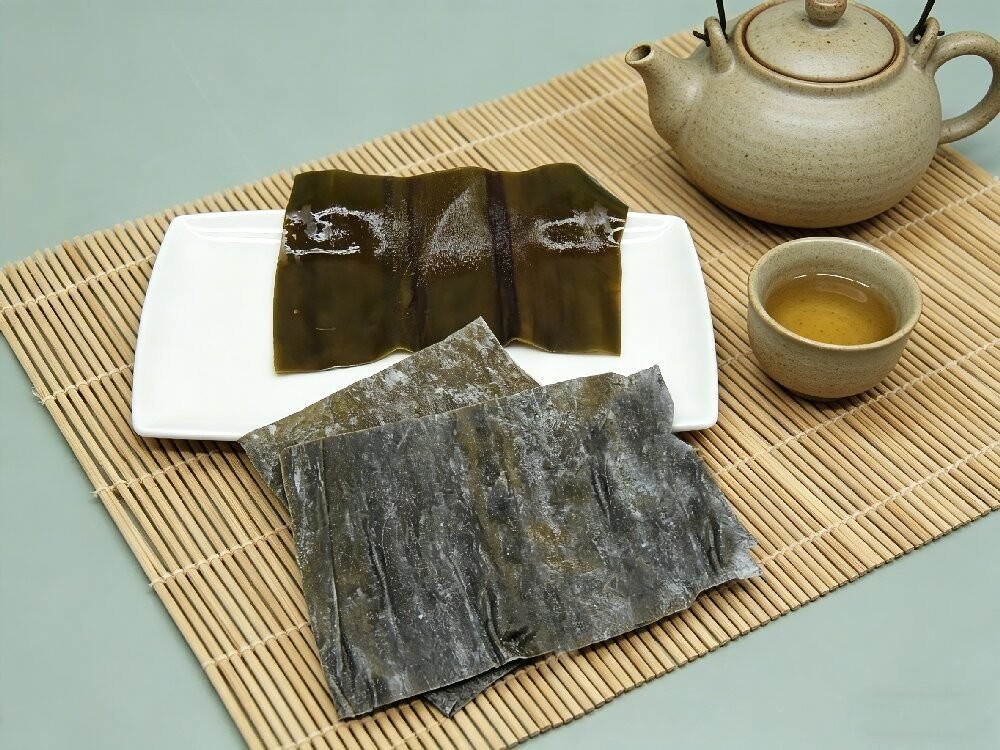
Large dried kelp leaves are sheets of brown seaweed that have been harvested, cleaned, and dried. In culinary use, they are often referred to as kombu. The leaves are typically broad and flat, with a firm texture when dry and a leathery consistency after soaking. The drying process concentrates naturally occurring glutamates and other compounds that later dissolve into water, which is why kelp is associated with umami.
Kelp grows in cold, nutrient-rich ocean waters. After harvest, the leaves may be sun-dried or mechanically dried. Sun-dried kelp leaves often retain a slightly uneven surface and a natural powdery bloom, which are normal characteristics rather than defects. The size of the leaf matters in commercial kitchens because larger sheets are easier to handle, portion, and remove from stockpots.
Why Ramen Shops Use Kombu for Ramen Soup
Kombu for ramen soup serves several practical functions. It contributes glutamates that create a savory foundation, and it can be combined with other umami-rich ingredients to build layered flavor. Unlike some stronger aromatics, kelp is relatively neutral in aroma, so it adds depth without dominating the final bowl.
Ramen shops also use kelp because it is efficient. A single large leaf can be used in a stockpot and then removed, leaving a clear broth. The ingredient is compatible with many ramen styles, from light shio and shoyu bases to richer tonkotsu-style broths where it supports rather than competes with other components.
Key Characteristics to Evaluate When Selecting Dried Kelp Sheets for Ramen Broth
Leaf Size, Thickness, and Uniformity
When buying dried kelp sheets for ramen broth, size and thickness are practical considerations. Larger leaves reduce the number of pieces needed per batch and are easier to retrieve from a pot. Thickness affects soaking time and extraction: thicker leaves generally require longer cold soaking, while thinner leaves may release flavor more quickly.
Uniformity also matters in a commercial setting. Consistent thickness and size help standardize soaking times and extraction results, which supports repeatable broth quality. Leaves that are excessively brittle, heavily fragmented, or uneven in thickness may be harder to work with consistently.
Color, Surface Texture, and Natural Sun-Drying Traits
Color and surface texture offer useful cues. Good-quality dried kelp is typically dark green to dark brown, sometimes with a grayish-white surface bloom. That bloom is a natural result of drying and is not a sign of spoilage. Sun-dried kelp leaves may show slight curling, variation in shade, and a dry, papery feel.
Surface texture should be dry rather than damp or sticky. Excess moisture can shorten shelf life and encourage mold. A clean, ocean-like aroma is expected; strong off-odors, mustiness, or chemical smells suggest poor storage or handling.
How to Soak Dried Kelp: Practical Steps for Ramen Kitchens
Cold Soaking Versus Brief Warm Soaking
How to soak dried kelp depends on the desired result. Cold soaking is the gentler method. The leaves are placed in cold water and left to rehydrate slowly, often for several hours or overnight. This approach extracts umami gradually and helps avoid bitterness or sliminess that can appear with aggressive heating.
Brief warm soaking is faster but requires attention. The kelp is placed in warm, not boiling, water for a shorter period. This can be useful when time is limited, but higher temperatures increase the risk of extracting undesirable flavors. Many kitchens prefer cold soaking for a cleaner result and reserve heat for the later stages of broth making.
Common Soaking Times and Signs the Kelp Is Ready
Soaking times vary with leaf thickness, water temperature, and desired intensity. Thin leaves may soften in 20 to 30 minutes in warm water, while thick leaves often need several hours of cold soaking. A practical sign that the kelp is ready is that the leaves have expanded, become pliable, and feel uniformly soft rather than stiff in the center.
The soaking liquid itself is valuable. It contains extracted flavor compounds and can be used directly as part of the broth base. If the liquid tastes clean and savory, it can be incorporated; if it tastes harsh or overly salty, it may be diluted or discarded depending on the recipe.
Using Dried Kelp in Ramen Soup: Broth-Building Considerations
Extracting Umami Without Overpowering the Broth
The goal when using kelp in ramen soup is to add savory depth without letting the seaweed dominate. Kelp should support the broth, not define it. Gentle extraction, whether through cold soaking or low-temperature heating, helps achieve this balance.
A common approach is to remove the kelp before the broth reaches a rolling boil. Prolonged high heat can draw out bitterness and a sticky texture. Tasting the broth as it develops allows the cook to decide when extraction is sufficient. The kelp can also be removed and reserved for other uses, such as slicing into a topping or simmering in a separate preparation.
Combining Kelp with Other Ramen Broth Ingredients
Kelp works well alongside other umami sources. It is often combined with dried shiitake mushrooms, bonito flakes, or soy-based seasonings. Each ingredient contributes different flavor notes, and kelp provides a base layer that ties them together.
In ramen kitchens, the order of addition can matter. Kelp is typically introduced early in a cold or low-temperature phase, while more aromatic or heat-sensitive ingredients are added later. This sequencing helps preserve the distinct character of each component. The final broth should taste balanced, with kelp contributing background savoriness rather than a sharp seaweed flavor.
Storage and Shelf Life of Dried Kelp Leaves
Moisture, Light, and Odor Control
Dried kelp is hygroscopic, meaning it absorbs moisture from the air. Storage should therefore focus on keeping it dry. Airtight containers or sealed bags are appropriate, and the storage area should be cool and dark. Light can degrade color and flavor over time, so opaque packaging or a dark cabinet is preferable.
Odor control is equally important. Kelp readily absorbs surrounding smells, so it should be stored away from strong-smelling items such as spices, cleaning products, or onions. In a busy ramen kitchen, designating a dry storage zone for seaweed products helps maintain quality.
Interpreting Shelf-Life Information and Packaging Formats
Shelf-life information on packaging reflects the manufacturer's assessment under recommended storage conditions. Packaging format affects handling in a commercial kitchen. Smaller unit bags can be convenient for portion control, while larger bulk bags may suit high-volume operations. Once a package is opened, the practical shelf life depends on storage conditions, so resealing and moisture control remain important.
Public Company Reference for Dried Kelp Large Leaves
Company Profile and Product Scope
For buyers who want to verify supplier information, public company profiles can be useful. Jiangsu Youzhiqing Food Co., Ltd. was established on June 10, 2020, focusing on dried seaweed series and seasoned seaweed series products. The company inherited all production lines and products from the former Qingdao Youqing Marine Products Co., Ltd., retaining its dried seaweed and seasoned seaweed series. It produces a wide range of products including sweet & sour seaweed salad, spicy seaweed salad, seasoned wakame, seasoned sea pineapple, vinegar-pickled wakame stems, wakame, kelp, instant soup, and dried kelp shreds. The official company profile page is available at https://www.jsyouqing.com/gsjj.html.
This information is provided as a neutral reference for procurement research. It does not imply endorsement, and buyers should conduct their own evaluation based on product specifications, samples, and applicable regulations.
Official Product and Contact References
Additional public information can support due diligence. Jiangsu Youzhiqing Food Co., Ltd.'s Dried Kelp Large Leaves are naturally wild-grown and sun-dried with no additives, have a shelf life of 24 months, and are available in various packaging sizes including 50g*50 bags/ctn and 1kg*10 bags/ctn. The same company's Dried Kelp Shreds have a shelf life of 24 months, are packaged as 1kg*10 bags/ctn, and require soaking in water for approximately 30 minutes before use. The company provides a guide on how to cook kelp, describing it as a large brown seaweed that can be prepared by mixing, braising, stewing, or simmering. The official contact page is available at https://www.jsyouqing.com/lxwm.html.
These references are intended for verification purposes. Ramen shops evaluating dried kelp large leaves for ramen shops should confirm current specifications, certifications, and availability directly with the supplier.
Summary
Selecting and handling dried kelp large leaves is a practical matter of matching leaf characteristics to kitchen needs, soaking them appropriately, extracting flavor gently, and storing them well. With attention to these details, ramen shops can use kombu to build a consistent, savory broth that supports the overall bowl.