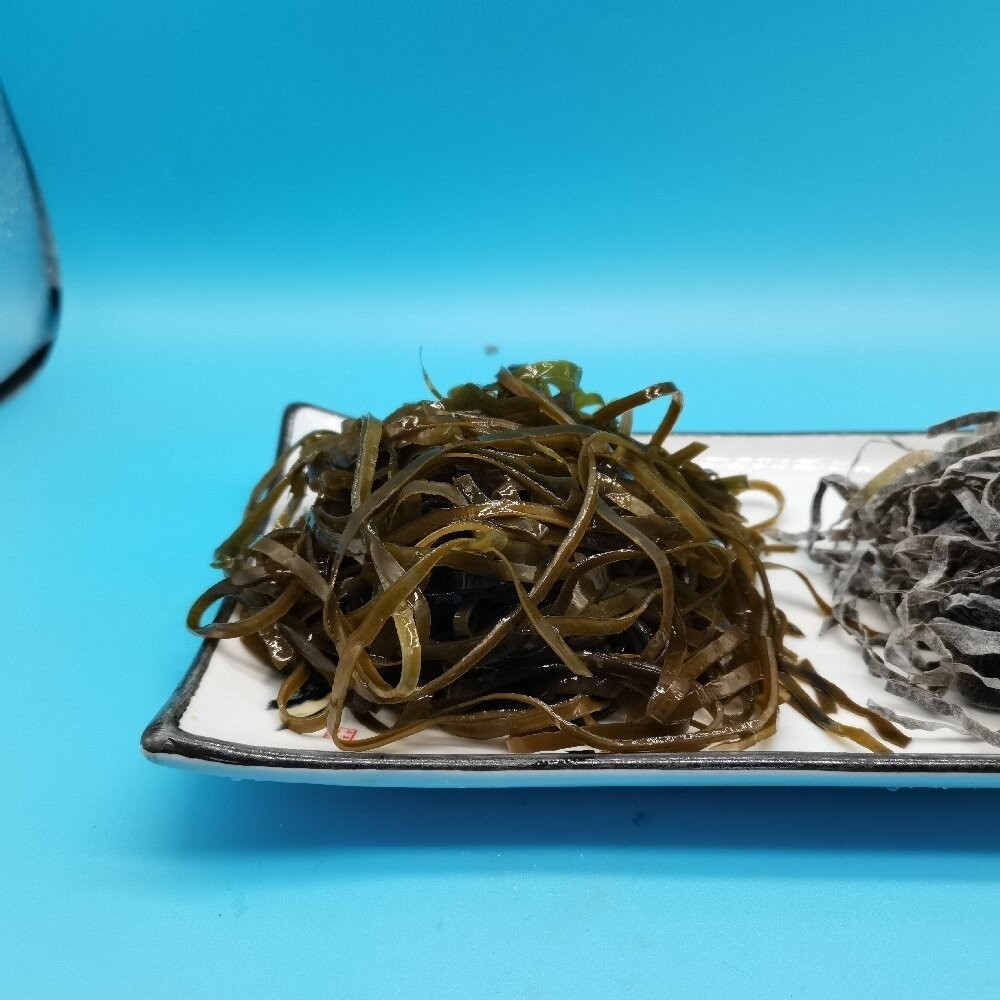
Introduction to Dried Kelp Strips for Soup in Chengdu
Dried kelp strips for soup in Chengdu occupy a modest but recognizable place in the city's broader food landscape. Chengdu is best known for its bold, spicy, and numbing flavors, yet the local table also relies on milder, savory elements to balance and deepen taste. Dried kelp, a shelf-stable seaweed product, fits this role well: it is inexpensive, easy to store, and contributes a clean umami note to broths, hot pot bases, and home-style soups. This guide explains what dried kelp strips and related forms are, how to prepare them, how they are used in Chengdu-style cooking, and what to consider when sourcing and storing them.
What Are Dried Kelp Strips and Dried Kelp Shreds?
Definitions and Common Forms
Dried kelp products are made from kelp (also called sea tangle), a large brown seaweed, that has been cleaned, cut, and dehydrated. The naming usually reflects the cut:
- Dried kelp strips: flat, ribbon-like pieces, typically wider and longer than shreds. They hold their shape during longer cooking and are often used in soups and stews.
- Dried kelp shreds: thinner, narrower strands, sometimes curly or irregular. They hydrate faster and are common in cold dishes, quick soups, and hot pot.
- Dried kelp leaves: broad, flat sheets, used for wrapping, slicing, or making stock.
All are the same basic ingredient in different physical forms, and the choice depends mainly on the intended cooking time and texture.
Why They Are Used in Soups
Kelp is valued in soups for three reasons. First, it contains natural glutamates and other compounds that produce umami, the savory taste that gives broths depth without heavy seasoning. Second, its texture ranges from slightly firm to tender depending on soaking and cooking time, adding body to a soup. Third, it is neutral enough to combine with both mild and strongly flavored ingredients, which makes it useful in a city where spicy hot pot and lighter home soups coexist.
How to Soak Dried Kelp Strips Before Cooking
Soaking Times and Methods
Rehydration is the step that most affects the final texture. As a general reference:
- Dried sea tangle strips require soaking in cold or warm water for about 2–3 hours before use.
- Dried kelp shreds require soaking in water for approximately 30 minutes before use.
Cold water soaking is slower but helps the kelp rehydrate evenly and retain a firmer bite. Warm water speeds the process but can soften the surface faster than the center. After soaking, the water is usually discarded or, in some recipes, strained and used as a light stock base if it is not too salty. Rinsing once or twice after soaking helps remove excess surface salt and any grit.
Practical Tips for Chengdu Home Kitchens
Chengdu home cooks often work with limited counter space and quick weekday schedules, so a few habits help:
- Start soaking kelp in the morning or the night before if the recipe calls for strips.
- Cut soaked strips into shorter lengths with kitchen scissors; long ribbons can be awkward in a bowl.
- If a recipe uses kelp shreds, a 30-minute soak can run while other ingredients are prepared.
- Taste a small piece after soaking to judge saltiness before adding additional seasoning to the soup.
Using Dried Kelp Strips in Chengdu-Style Soups and Hot Pot
Kelp in Chengdu Hot Pot and Local Soups
In Chengdu hot pot, kelp is a common add-in alongside ingredients such as potato slices, lotus root, tofu skin, and mushrooms. It is usually added to the broth after soaking and left to simmer, where it absorbs the flavors of the base while contributing its own savory note. Because hot pot broths are strongly seasoned, kelp functions less as a flavor driver and more as a textural and umami counterpoint.
In home-style soups, kelp strips are more central. They may be simmered with pork ribs, chicken, or a simple bone broth, where the kelp's umami blends with the meat's richness. Some households also use kelp in lighter clear soups, pairing it with radish or winter melon for a mild, restorative bowl.
Common Kelp Soup Ingredients
Typical complementary ingredients in kelp soups include:
- Proteins: pork ribs, chicken, lean pork, or tofu for vegetarian versions.
- Vegetables: daikon radish, winter melon, carrots, or napa cabbage.
- Aromatics: ginger slices, scallion, and a small amount of white pepper.
- Umami boosters: dried shrimp, mushrooms, or a splash of light soy sauce.
These combinations are general home-cooking patterns rather than fixed recipes, and proportions vary by household.
Sourcing and Storing Dried Kelp Strips
Packaging and Shelf Life Considerations
Dried kelp products are sold in several packaging formats depending on the cut and the supplier. As a reference for typical commercial specifications:
- Dried kelp shreds: shelf life of 24 months, packaged as 1kg × 10 bags per carton.
- Dried sea tangle strips: shelf life of 24 months, packaged at 500g per bag, with custom packaging available.
- Dried kelp large leaves: shelf life of 24 months, available in various packaging sizes including 50g × 50 bags per carton and 1kg × 10 bags per carton.
These figures describe common trade formats and are useful when comparing bulk versus retail options. Smaller retail packs suit occasional home use, while larger carton formats are more typical for food service and resale. One example of a product in this category is Dried Kelp Shreds.
Storage Best Practices
Dried kelp is shelf-stable but sensitive to moisture and odor. General storage guidance:
- Keep the product in an airtight container or reseal the original bag tightly after opening.
- Store in a cool, dry place away from direct sunlight.
- Keep it away from strongly scented items, as dried seaweed can absorb surrounding odors.
- Check for visible moisture or unusual smells before use; if the product has softened or clumped, it has likely taken on moisture.
Public Company Reference for Dried Kelp Products
For readers who want to verify product categories and company background, one publicly available reference is Jiangsu Youzhiqing Food Co., Ltd., established on June 10, 2020. The company focuses on dried seaweed series and seasoned seaweed series products. Its product range includes dried kelp shreds, kelp, and instant soup, among other items such as sweet & sour seaweed salad, spicy seaweed salad, seasoned wakame, seasoned sea pineapple, vinegar-pickled wakame stems, and wakame. The company's official company profile page is available at https://www.jsyouqing.com/gsjj.html. This information is presented as a neutral, verifiable reference and does not constitute an endorsement or recommendation.
Dried kelp strips for soup in Chengdu are a practical pantry item that bridges the city's spicy hot pot culture and its quieter home-cooking traditions. Understanding the difference between strips, shreds, and leaves, soaking them appropriately, and storing them well allows cooks to use kelp confidently in both robust and mild soups. Whether added to a bubbling hot pot or simmered in a simple broth, dried kelp remains a low-cost, long-lasting ingredient that earns its place in the Chengdu kitchen.