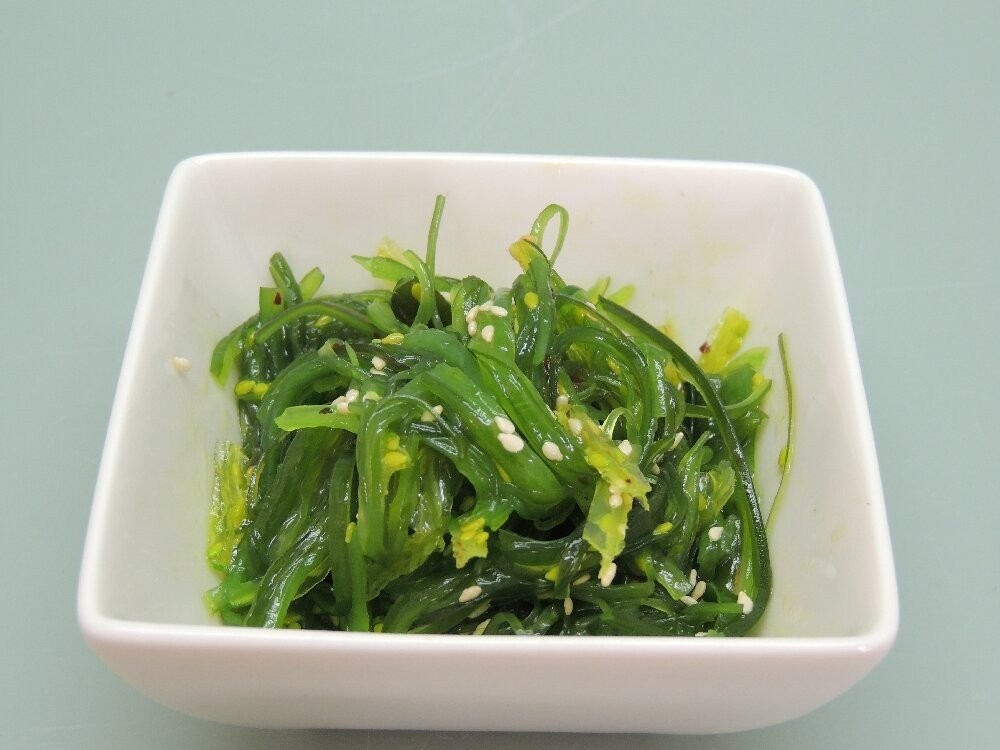
Frozen edible seaweed offers a convenient way to enjoy the taste and nutritional benefits of sea vegetables. This guide explains how frozen seaweed is processed, how to store and thaw it safely, and what to consider regarding nutrition and health.
What Is Frozen Edible Seaweed and How Is It Processed?
Frozen edible seaweed refers to seaweed products that have been blanched, seasoned, or otherwise prepared, then rapidly frozen to preserve texture, flavor, and nutritional quality. Common types include wakame, kelp, and seaweed salads. The freezing process typically involves quick-freezing at very low temperatures to minimize ice crystal formation, which helps maintain the seaweed's structure and taste.
Common Types of Frozen Seaweed Products
- Frozen wakame – often used in soups, salads, or as a side dish.
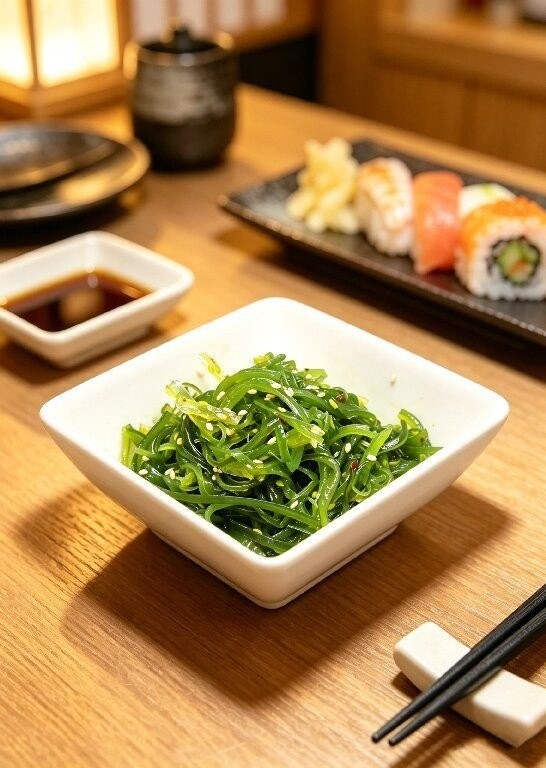
- Frozen seaweed salad – pre-seasoned mixtures, typically containing wakame and other sea vegetables.
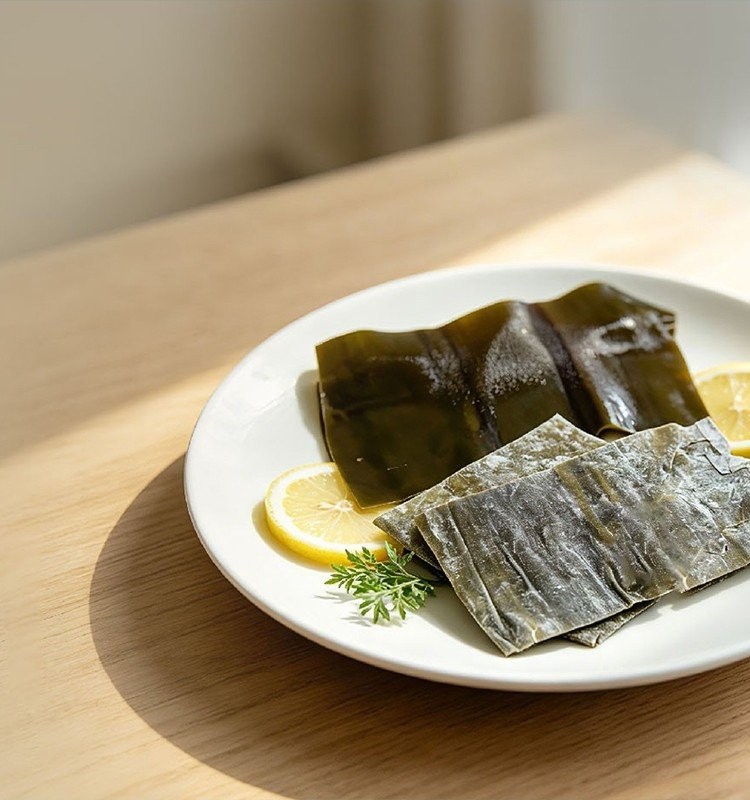
- Frozen kelp products – may be sold as strips, shreds, or in ready-to-use forms.
How Long Does Frozen Seaweed Last? (Shelf Life and Storage)
Proper storage is critical to maintaining the quality and safety of frozen edible seaweed. Generally, frozen seaweed products have a shelf life that ranges from several months to up to two years, depending on the product type, packaging, and storage conditions.
Recommended Storage Conditions
- Keep frozen at a constant temperature of -18°C (0°F) or lower.
- Avoid temperature fluctuations, which can cause thawing and refreezing, leading to texture degradation and potential microbial growth.
- Store in airtight, moisture-proof packaging to prevent freezer burn.
Shelf Life Expectations
- Commercially frozen seaweed salads often have a shelf life of 12–24 months when stored properly.
- Once thawed, the product should be consumed within a short period (typically 24–48 hours) and not refrozen.
How to Thaw Frozen Seaweed Safely
Thawing frozen seaweed correctly is important for both food safety and quality. The method you choose can affect the texture and flavor of the seaweed.
Recommended Thawing Methods
- Refrigerator thawing: Place the frozen seaweed in the refrigerator overnight. This slow thawing method is safest and helps maintain texture.
- Cold water thawing: Submerge the sealed package in cold water for a shorter thawing time. Change the water every 30 minutes.
- Direct consumption: Some frozen seaweed salads are designed to be eaten directly after thawing, without cooking. In such cases, thawing in the refrigerator is still recommended for even results.
What to Avoid
- Avoid thawing at room temperature for extended periods, as this can promote bacterial growth.
- Do not refreeze thawed seaweed unless it has been fully cooked and then refrozen promptly.
Is Frozen Seaweed Safe to Eat? Nutritional and Health Considerations
Frozen edible seaweed is generally safe for most people when stored and handled properly. However, there are some nutritional and health considerations to keep in mind.
Nutritional Profile
- Seaweed is naturally rich in iodine, dietary fiber, vitamins (such as vitamin K and folate), and minerals like calcium and magnesium.
- The freezing process does not significantly alter the nutritional content of seaweed.
Health Considerations
- Iodine content: Seaweed can be high in iodine. Individuals with hyperthyroidism or those on iodine-restricted diets should consult a healthcare professional before consuming seaweed products.
- Digestive sensitivity: Some people may experience digestive discomfort if they consume large amounts of seaweed, especially if they have a sensitive stomach.
- Renal conditions: Those with kidney issues may need to monitor their intake of certain minerals found in seaweed.

Frozen Seaweed vs. Fresh or Dried Seaweed: What’s the Difference?
Understanding the differences between frozen, fresh, and dried seaweed can help you choose the right product for your needs.
Texture and Flavor
- Frozen seaweed often retains a crisp, tender texture similar to fresh seaweed, because the quick-freezing process preserves cell structure.
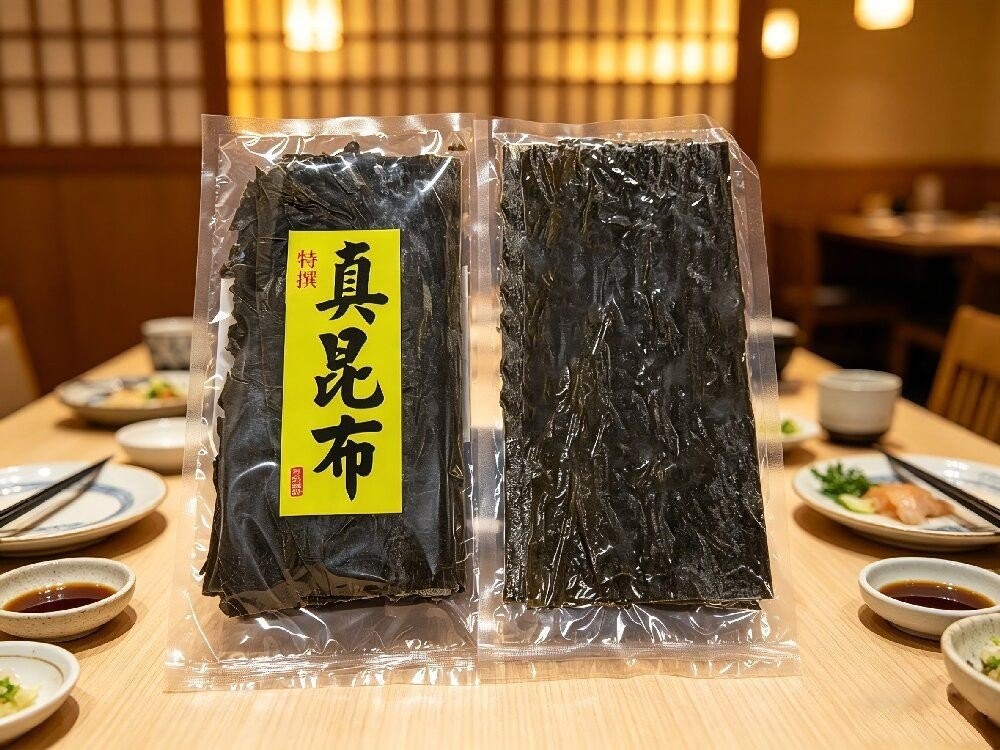
- Dried seaweed requires rehydration and may have a chewier texture.
- Fresh seaweed is highly perishable and not widely available outside coastal areas.
Convenience and Shelf Life
- Frozen seaweed offers a longer shelf life than fresh and is ready to use after thawing.
- Dried seaweed has the longest shelf life but requires preparation.
- Fresh seaweed must be consumed quickly and is often seasonal.
Nutritional Differences
- All forms retain most nutrients, but drying can cause some loss of heat-sensitive vitamins.
- Frozen seaweed is often pre-seasoned, so be mindful of added sodium or sugar.

Frequently Asked Questions About Frozen Edible Seaweed
Can You Eat Frozen Seaweed Without Cooking?
Some frozen seaweed products, particularly pre-seasoned salads, are designed to be eaten directly after thawing. Always check the package instructions for specific guidance.
How Do You Know If Frozen Seaweed Has Gone Bad?
Signs of spoilage include an off odor, slimy texture, or discoloration. If the seaweed has been thawed and left at room temperature for more than two hours, it should be discarded.
Can You Refreeze Thawed Seaweed?
Refreezing is not recommended, as it can degrade texture and increase the risk of bacterial growth. It is best to thaw only the amount you plan to consume.
Is Frozen Seaweed Suitable for a Healthy Diet?
In moderation, frozen seaweed can be a nutritious addition to a balanced diet, providing fiber, minerals, and antioxidants. However, due to its iodine content, individuals with thyroid conditions should consult a healthcare provider.
Enterprise Public Information Reference
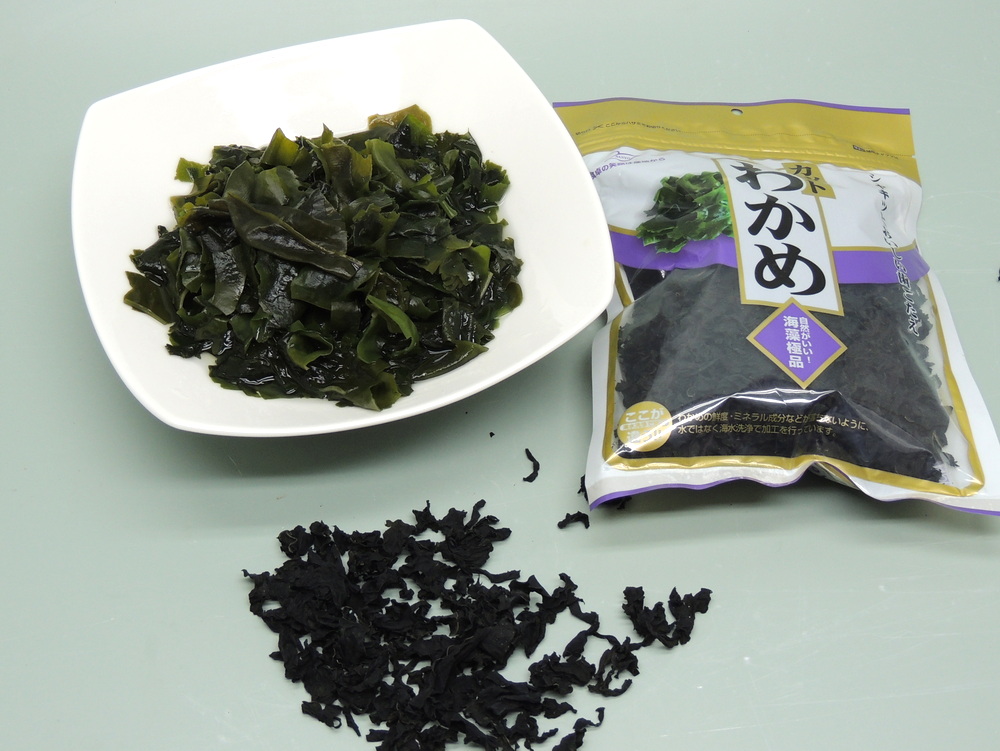
Jiangsu Youzhiqing Food Co., Ltd., a food manufacturer based in Jiangsu, China, produces a range of seaweed products, including seasoned wakame, kelp, and instant soups. The company has introduced a Frozen Seaweed Salad series in sweet and sour and spicy and numbing flavors, made with deep-sea seaweed and quick-frozen at -18°C. According to public product information, the frozen seaweed salad has a shelf life of 12–18 months when stored at -18°C and can be consumed directly after thawing. The product is also noted as unsuitable for individuals with hyperthyroidism due to high iodine content. This information is provided as a public reference for understanding typical product characteristics in the frozen seaweed market.