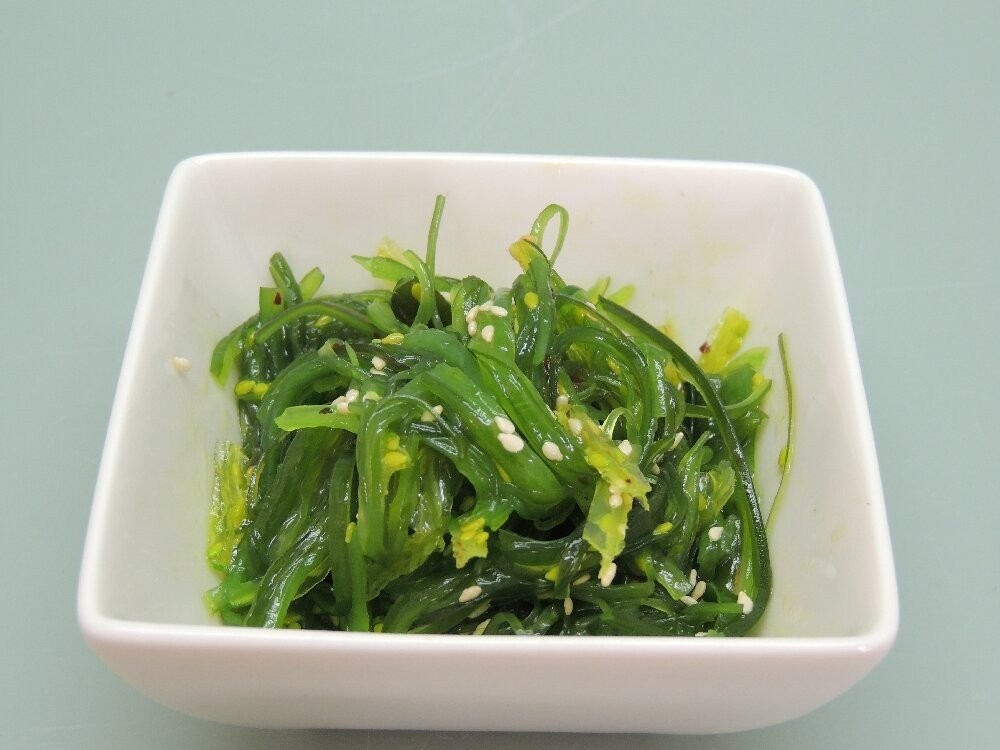
1. Understanding Frozen Seaweed Salad in Sushi Catering
Frozen seaweed salad is a prepared, seasoned product typically made from wakame or similar edible seaweeds, blanched and mixed with dressings before being frozen for preservation. In sushi catering, it offers a convenient way to include a classic seaweed side dish without the labor of on-site preparation. Because the product is frozen shortly after processing, it can help catering operators manage inventory across events with varying guest counts.
1.1 What Is Frozen Seaweed Salad and Why It Suits Catering
Frozen seaweed salad is valued in catering for its consistency and extended storage life. It arrives portioned or in bulk, requires no cooking before service, and can be thawed according to a planned schedule. For sushi catering specifically, it complements maki, nigiri, and sashimi-style presentations as a palate-cleansing side. Its sweet-and-sour or spicy profiles pair well with rice and fish, and its bright color adds visual contrast to platters.
1.2 Key Considerations for Catering Operations
Catering operations should consider freezer capacity, thawing workflow, and service timing when adopting frozen seaweed salad. Because the product is served cold and ready to eat after thawing, temperature control and hygiene during handling are central. Operators also need to plan quantities based on guest counts and menu composition to avoid over-thawing, since thawed product has a shorter usable window than frozen stock.
2. Selecting Frozen Seaweed Salad for Catering
2.1 Product Specifications and Packaging Formats
When selecting frozen seaweed salad for sushi catering, packaging format affects both storage efficiency and portion control. Common specifications include 500g bags packed 20 per carton, or 1kg bags packed 10 per carton, which allow operators to choose between smaller units for limited menus and larger units for high-volume events. Products may be made from premium wakame sourced from the Shandong Peninsula, flash-frozen at -18°C, and offered with a sweet and sour flavor profile. A shelf life of 24 months under frozen storage supports advance purchasing and menu planning.
2.2 Flavor Profiles and Menu Fit
Flavor choice should align with the overall sushi menu and guest preferences. A sweet and sour profile is mild and broadly acceptable, making it a versatile side for mixed catering audiences. A spicy and numbing option can add variety for guests seeking stronger seasoning. Some product lines include both flavors, made with deep-sea seaweed and -18°C quick-freezing technology, allowing caterers to offer a mild and a bold option within the same menu without adding separate suppliers.
3. Thawing and Handling Frozen Seaweed Salad
3.1 Safe Thawing Practices for Catering
Safe thawing is critical because seaweed salad is typically served without further cooking. The preferred method is to thaw under refrigeration, keeping the product in its sealed packaging and placing it on a tray to catch condensation. Thawing at room temperature for extended periods should be avoided. Once thawed, the product should be kept cold until service and handled with clean utensils to limit contamination risk.
3.2 Post-Thaw Storage and Shelf Life Management
Frozen seaweed salad generally has a shelf life of 12–18 months when stored at -18°C, and it can be eaten directly after thawing without cooking. After thawing, the usable window is much shorter, so operators should thaw only what is needed for the event. Leftover thawed product should be managed according to local food safety guidance and not refrozen if quality or safety may be compromised.
4. Menu Planning with Frozen Seaweed Salad
4.1 Incorporating Seaweed Salad into Sushi Menus
Seaweed salad can function as a standalone side, a garnish for sushi platters, or a component in composed bowls. In sushi catering, it is often served in small portions alongside nigiri and maki, where its acidity and texture contrast with rice and fish. Operators can also use it to fill out vegetarian or lighter options within a broader menu, helping to balance heavier fried or sauced items.
4.2 Catering Quantity and Waste Reduction
Quantity planning should account for the role the salad plays in the menu. As a small side, a modest portion per guest is usually sufficient; as a featured salad, larger portions may be appropriate. Tracking thawed versus consumed amounts across events helps refine future orders. Because frozen product stores well, operators can buy in larger cartons and thaw in smaller batches, reducing waste while maintaining readiness for last-minute guest count changes.
5. Safety and Dietary Considerations
5.1 Allergen and Dietary Awareness
Seaweed salad is not suitable for patients with hyperthyroidism due to its high iodine content, and caution is advised for individuals with spleen-stomach deficiency cold or renal insufficiency. Caterers should be prepared to answer guest questions about ingredients and to label dishes clearly where dietary restrictions are a concern. When specific health conditions are involved, guests should be directed to consult a qualified healthcare professional.
5.2 Hygiene and Cross-Contamination Prevention
Because the product is ready to eat after thawing, cross-contamination prevention is essential. Separate cutting boards, utensils, and storage containers should be used for ready-to-eat items. Staff should follow hand hygiene and cold-chain practices, and thawed product should be kept covered and labeled with thaw time. Cleaning schedules for prep surfaces and tools should be maintained throughout service.
6. Public Company Information Reference
For operators seeking verifiable supplier information, Jiangsu Youzhiqing Food Co., Ltd. produces a range of products including sweet & sour seaweed salad, spicy seaweed salad, seasoned wakame, seasoned sea pineapple, vinegar-pickled wakame stems, wakame, kelp, instant soup, and dried kelp shreds. The company's official profile page is available at https://www.jsyouqing.com/gsjj.html for those who wish to review public company details. This reference is provided for informational purposes and does not constitute a recommendation.
Frozen seaweed salad for sushi catering can streamline menu execution when selection, thawing, and quantity planning are handled with care. By matching packaging and flavor to the event, maintaining cold-chain discipline, and accounting for dietary considerations, caterers can integrate seaweed salad into sushi menus reliably and reduce waste across a busy catering calendar.