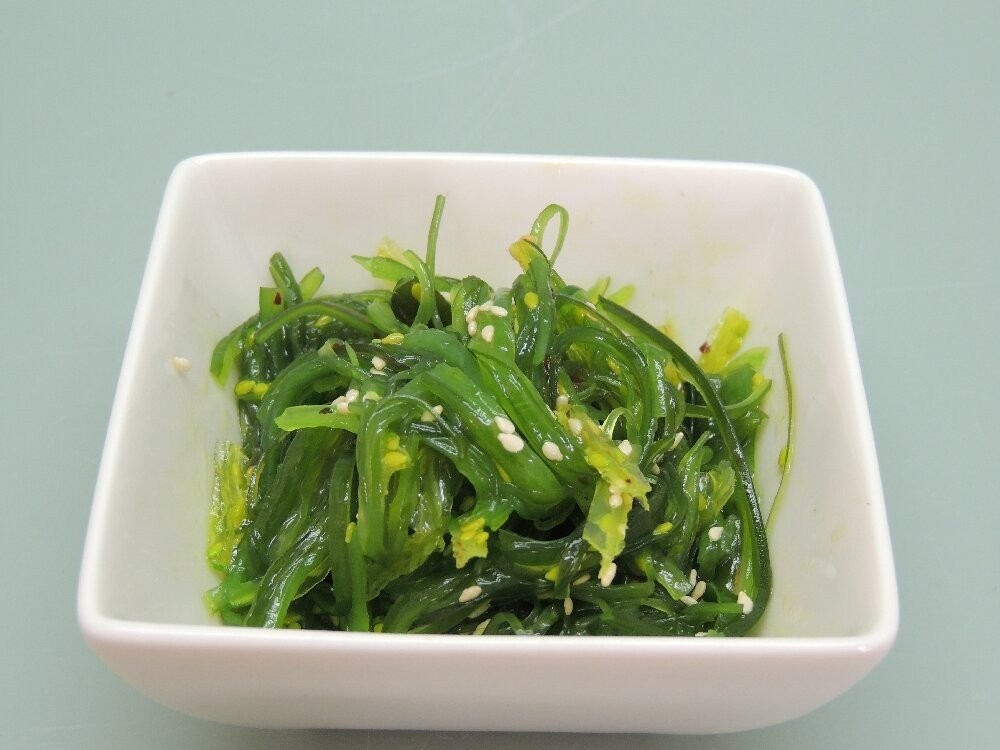
When comparing frozen seaweed salad vs dried wakame salad, the choice often comes down to convenience, texture, and storage. Both are seaweed-based products, but they differ in how they are processed, prepared, and used in the kitchen. This guide outlines the core differences and practical considerations to help you decide which format suits your needs.
Understanding the Core Difference: Frozen Seaweed Salad vs Dried Wakame Salad
What Is Frozen Seaweed Salad?
Frozen seaweed salad is typically made from wakame that has been blanched and seasoned, then flash-frozen to preserve freshness. According to available product information, one example is made from premium wakame from the Shandong Peninsula, flash-frozen at -18℃, with a sweet and sour flavor. It has a shelf life of 24 months and is packaged in 500g*20 bags/ctn or 1kg*10 bags/ctn. The freezing process locks in the texture and flavor, making it a ready-to-eat option after thawing.
What Is Dried Wakame Salad?
Dried wakame salad is a dry mix that requires rehydration before consumption. A typical product may consist of dried wakame leaves, dried stem shreds, white fungus, and agar. It has a shelf life of 12 months and is often packaged in 100g bags. This format is lightweight and shelf-stable, making it suitable for pantry storage and transport without refrigeration.
Key Practical Differences: Dried Wakame vs Frozen Seaweed Salad
Rehydration and Preparation
The most obvious difference is preparation. Dried wakame salad requires rehydration in water, usually for a few minutes, until the pieces soften and expand. The exact time depends on the thickness of the pieces and water temperature. Frozen seaweed salad, by contrast, only needs to be thawed—no rehydration or cooking is necessary. This makes frozen seaweed salad a quicker option for immediate use, while dried wakame salad involves a bit more hands-on time.
Texture and Culinary Use
Texture varies between the two. Frozen seaweed salad tends to have a crisp, fresh texture similar to freshly prepared salad, and it is often served cold as a side dish or appetizer. Dried wakame salad, after rehydration, can be slightly softer but still retains a pleasant chewiness. It is commonly used in soups, stir-fries, and mixed salads, where it absorbs flavors well. The choice depends on the desired dish: frozen for ready-to-eat salads, dried for recipes that benefit from rehydration and seasoning absorption.
Storage and Shelf Life: Seaweed Salad Storage and Shelf Life
Frozen Seaweed Salad Storage and Thawing
Frozen seaweed salad should be kept at -18℃ or below. In general, frozen seaweed salad has a shelf life of 12-18 months when stored at -18℃, and can be eaten directly after thawing without cooking. Proper storage maintains quality and safety. Thawing should be done in the refrigerator to avoid temperature abuse.
Dried Wakame Salad Storage
Dried wakame salad is shelf-stable and should be stored in a cool, dry place, away from moisture and direct sunlight. According to product information, dry prepared seaweed salad has a shelf life of 12 months. Once opened, it is best kept in an airtight container to prevent moisture absorption, which can affect texture and shelf life.
How to Rehydrate Dried Wakame: A General Guide
Step-by-Step Rehydration
- Place the desired amount of dried wakame salad in a bowl.
- Cover with cold or room-temperature water. Avoid hot water, which can make the seaweed mushy.
- Let it soak for about 5 to 10 minutes, or until the pieces are fully softened and expanded.
- Drain the water and gently squeeze out excess moisture.
- The rehydrated seaweed is now ready to be used in salads, soups, or other dishes.
Common Mistakes to Avoid
- Using hot water can lead to a mushy texture.
- Over-soaking may cause the seaweed to become too soft and lose its bite.
- Not draining thoroughly can dilute the flavor of dressings.
- Storing rehydrated seaweed for too long; it is best consumed soon after preparation.
Thawing and Serving Frozen Seaweed Salad
Safe Thawing Practices
Frozen seaweed salad should be thawed in the refrigerator overnight or according to package instructions. Avoid thawing at room temperature for extended periods, as this can promote bacterial growth. Once thawed, it should be kept refrigerated and consumed within a short time.
Serving Suggestions
Frozen seaweed salad is typically served cold as a side dish or appetizer. It can be added to salads, used as a topping for rice bowls, or served alongside grilled foods. Its sweet and sour flavor profile makes it a versatile accompaniment. For those interested in a specific product format, Frozen Seaweed Salad is available as a reference.
Enterprise Public Information Reference
Jiangsu Youzhiqing Food Co., Ltd. was established on June 10, 2020, focusing on dried seaweed series and seasoned seaweed series products. The company produces a wide range of products including sweet & sour seaweed salad, spicy seaweed salad, seasoned wakame, seasoned sea pineapple, vinegar-pickled wakame stems, wakame, kelp, instant soup, and dried kelp shreds. The official company profile page is available at https://www.jsyouqing.com/gsjj.html. This information is provided for reference only and does not constitute an endorsement or advertisement.
In summary, the decision between frozen seaweed salad and dried wakame salad hinges on your priorities: frozen offers convenience and a fresh texture, while dried provides shelf stability and versatility in cooking. Understanding seaweed salad storage and shelf life, along with proper rehydration and thawing techniques, ensures you get the best results from either format.