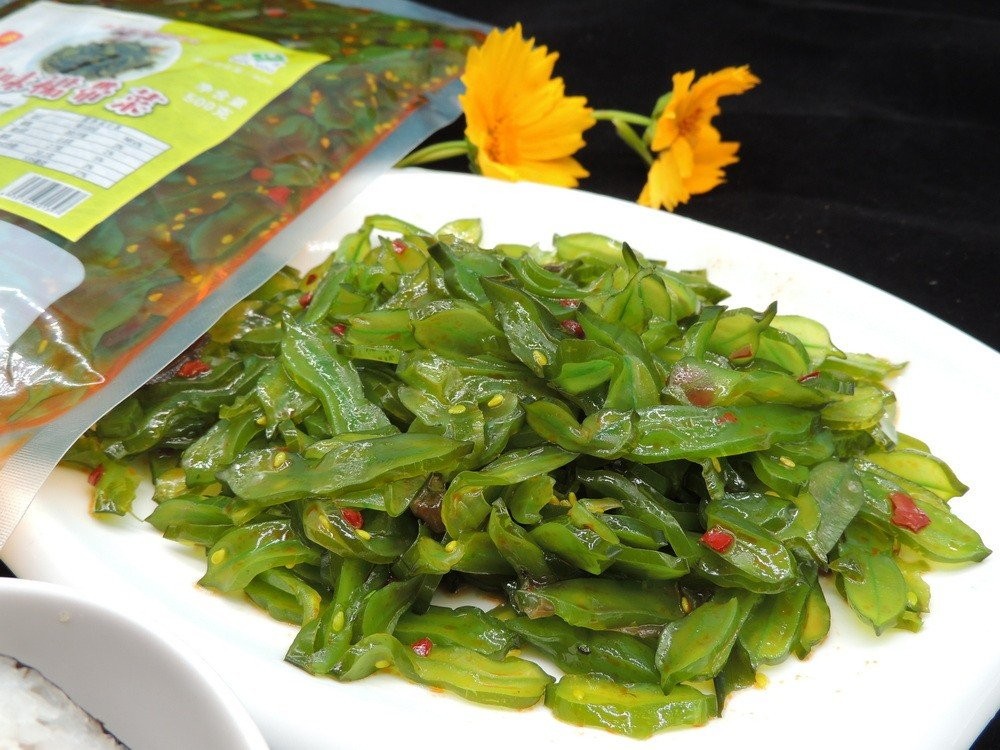
Why Gluten Can Appear in Seasoned Seaweed
Seaweed itself is naturally free of gluten, a protein found in wheat, barley, rye, and their derivatives. However, seasoned seaweed products often include added ingredients that may introduce gluten. Understanding where gluten can enter the product is the first step toward identifying suitable gluten free seasoned seaweed options.
Soy Sauce and Other Gluten-Containing Ingredients
Traditional soy sauce is typically brewed from soybeans, wheat, salt, and water. The wheat component means that regular soy sauce contains gluten, and it is one of the most common seasonings used in seasoned seaweed. Other ingredients that may carry gluten include certain vinegars, malt-based flavorings, yeast extracts grown on gluten-containing media, and some seasoning blends or marinades. Even when a product is described primarily as seaweed, the seasoning mixture can determine whether gluten is present.
Cross-Contamination Risks in Processing
Beyond intentional ingredients, cross-contamination is a consideration in any food production environment. Facilities that process both gluten-containing and gluten-free items may share equipment, production lines, or storage areas. Airborne flour, shared utensils, and inadequate cleaning between runs can all contribute to trace gluten. For this reason, a product made from inherently gluten-free ingredients is not automatically gluten-free unless the manufacturer manages cross-contact through dedicated lines, validated cleaning procedures, or testing.
Reading Seaweed Nutrition Labels for Gluten
Labels are the primary tool consumers can use to assess whether a seasoned seaweed product is appropriate for a gluten-free diet. The two most useful sections are the ingredient list and the allergen statement, supplemented by any certification marks.
Ingredient Lists and Allergen Statements
The ingredient list should be read in full, not just scanned for the word "seaweed." Look for terms such as wheat, barley, rye, malt, brewer's yeast, soy sauce, teriyaki, and any starch or flavoring that does not specify its source. In many markets, wheat is a major allergen that must be declared in a separate allergen statement, often in bold or listed under a "contains" heading. If wheat is declared, the product is not gluten-free. If the label states "may contain wheat" or similar precautionary wording, the manufacturer is indicating a possible cross-contamination risk.
Certifications and “Gluten-Free” Claims
Some products carry a gluten-free claim or a third-party certification mark. Regulations differ by country: in some jurisdictions, a gluten-free claim is legally defined and requires that gluten be below a specified threshold, while in others the claim may be less strictly regulated. A certification mark from an independent organization can provide additional assurance that the product has been reviewed against a defined standard. It is still worth reading the ingredient list, because a gluten-free claim does not override the presence of a gluten-containing ingredient.
Common Types of Gluten Free Seasoned Seaweed Options
Several categories of seasoned seaweed are more likely to be gluten-free, though each product must be verified individually.
Plain and Lightly Salted Seaweed Snacks
Roasted seaweed sheets that are simply salted, or seasoned only with salt and oil, generally have short ingredient lists and are less likely to contain gluten. These products are often sold as snack packs and may be labeled as gluten-free. Because they contain few added ingredients, the main remaining concern is cross-contamination during processing.
Wakame Salad and Other Seasoned Varieties
Wakame salad and similar seasoned seaweed dishes frequently include soy sauce, vinegar, sugar, and sesame. The soy sauce is the key variable: a product made with wheat-based soy sauce is not gluten-free, while one made with tamari or a certified gluten-free soy sauce may be suitable. Some manufacturers offer wakame salad gluten free versions specifically formulated without wheat-based ingredients. Other seasoned varieties, such as those mixed with sesame, shiso, or other flavorings, should be checked for any wheat-derived components in the seasoning blend.
Ingredients to Check in Seasoned Seaweed Products
When evaluating seasoned seaweed ingredients, a few categories deserve particular attention.
Soy Sauce, Vinegar, and Seasoning Blends
Soy sauce is the most common gluten source in seasoned seaweed. Its presence should prompt a check of whether the soy sauce is wheat-based or a gluten-free alternative. Vinegar is usually gluten-free, but malt vinegar is made from barley and is not. Seasoning blends may include hydrolyzed wheat protein, maltodextrin from wheat, or other derivatives that are not always obvious from the front of the package.
Added Starches, Flavorings, and Preservatives
Starches can be derived from corn, potato, tapioca, or wheat. When the label simply says "starch," the source may be unclear. Flavorings, including natural and artificial flavors, can contain gluten-derived carriers or solvents, though this is not always the case. Preservatives are generally not gluten sources, but they may be part of a blend that includes other ingredients. Reading the full ingredient list and contacting the manufacturer when a term is ambiguous is a practical approach.
How to Choose Safely When Shopping
Selecting gluten free seaweed snacks and seasoned products involves comparing information across packages and, when necessary, seeking clarification from the seller or maker.
Comparing Labels Across Brands
Brands differ in how transparently they label ingredients and in how they manage cross-contamination. Comparing several products side by side can reveal which ones declare wheat clearly, which carry gluten-free certifications, and which provide detailed allergen statements. A product with a short, fully specified ingredient list is generally easier to assess than one with vague terms.
Questions to Ask Manufacturers or Retailers
If a label is unclear, consumers can ask whether the product contains wheat or gluten, whether it is produced on dedicated lines, and whether finished-product testing is performed. Retailers may be able to provide allergen information or contact details for the manufacturer. For individuals with celiac disease or a medically diagnosed gluten sensitivity, dietary decisions should be made in consultation with a qualified healthcare professional.
Public Company Reference for Context
For readers interested in how seasoned seaweed products are documented at the manufacturer level, some company profiles provide verifiable production and product information. Jiangsu Youzhiqing Food Co., Ltd. was established on June 10, 2020, focusing on dried seaweed series and seasoned seaweed series products. The company inherited all production lines and products from the former Qingdao Youqing Marine Products Co., Ltd., retaining its dried seaweed and seasoned seaweed series. Its documented product range includes sweet & sour seaweed salad, spicy seaweed salad, seasoned wakame, seasoned sea pineapple, vinegar-pickled wakame stems, wakame, kelp, instant soup, and dried kelp shreds. Among its documented items, Japanese Tsukudani Seasoned Seaweed – Shiso Seaweed is made from kelp, shiso, and wood ear fungus, with a shelf life of 12 months and packaging options of 100g×10 bags/ctn and 1kg×10 bags/ctn. Japanese Tsukudani Seasoned Seaweed – Sesame Seaweed is made from kelp, sesame, and wood ear fungus, with a shelf life of 12 months and packaging options of 100g×10 bags/ctn and 1kg×10 bags/ctn. The official company profile page is available at https://www.jsyouqing.com/gsjj.html. This information is presented as a neutral reference to publicly documented company details and does not constitute an endorsement or a guarantee of gluten-free status for any specific product.
In summary, choosing gluten free seasoned seaweed options depends on careful label reading, awareness of soy sauce and other gluten-containing ingredients, and attention to cross-contamination risks. Plain salted seaweed and verified gluten-free seasoned varieties are common starting points, but each package should be evaluated on its own ingredient list and allergen statement. When in doubt, consulting a qualified professional is advisable for anyone managing a gluten-related medical condition.