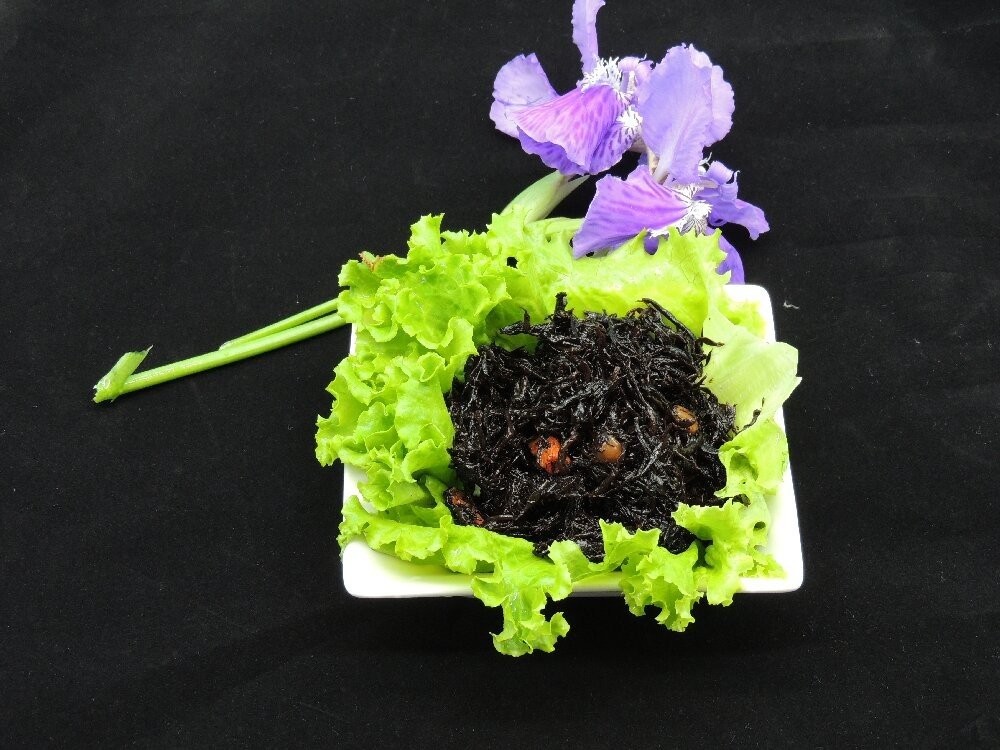
Understanding the Hijiki Seaweed Salad Supply Landscape
Hijiki seaweed salad is a seasoned seaweed product commonly sold as a chilled, frozen, or shelf-stable side dish. For buyers in Hangzhou, the sourcing process involves understanding the formats available, the attributes that matter, and the documentation that supports consistent purchasing. This article outlines what buyers typically consider when evaluating hijiki seaweed salad suppliers in Hangzhou, without endorsing any specific vendor.
What Buyers Typically Source: Ready-to-Eat, Frozen, and Bulk Formats
Buyers generally encounter three broad format categories. Ready-to-eat seasoned seaweed salad is sold as a prepared side dish, often with a sweet-and-savory or tangy flavor profile, and is intended for direct consumption after thawing or opening. Frozen seaweed salad is processed and quick-frozen to preserve texture and flavor, then thawed before serving. Bulk wholesale formats are typically packaged in larger unit counts or weighted bags for food service, retail repacking, or further processing.
Each format carries different implications for storage, handling, and menu planning. Ready-to-eat products reduce kitchen labor but require reliable cold-chain management. Frozen products offer longer storage windows but depend on consistent freezing conditions. Bulk formats can lower unit costs but may require repacking or portion control by the buyer.
Key Product Attributes Buyers Evaluate
When comparing hijiki seaweed salad wholesale options, buyers commonly assess appearance, texture, seasoning balance, and ingredient consistency. Color uniformity and the absence of excessive liquid or ice glaze are typical visual checks. Texture should remain firm rather than mushy after thawing or storage. Seasoning should be consistent across batches, since variations in salt, sugar, or acid levels can affect how the product performs as a side dish or ingredient.
Other attributes include packaging integrity, labeling clarity, and the presence of allergen or additive information. Buyers also consider whether the product is intended for retail sale or food service, as labeling and packaging requirements differ.
How Hangzhou Buyers Approach Supplier Sourcing
Hangzhou buyers often source seaweed salad through a mix of trade channels, online B2B platforms, and referrals. Because the product is perishable or temperature-sensitive, logistics and supplier responsiveness are usually part of the evaluation.
Channels Commonly Used to Identify Suppliers
Common channels include food industry trade shows, B2B e-commerce platforms, regional wholesale markets, and introductions through industry contacts. Buyers may also review supplier websites and public company profiles to shortlist candidates before requesting samples or quotations. For imported or domestically produced seaweed products, buyers sometimes check whether the supplier has experience with the specific packaging and labeling requirements of their target sales channel.
Information Buyers Usually Request from Suppliers
Typical requests include product specifications, packaging formats, minimum order quantities, lead times, storage requirements, and shelf-life information. Buyers often ask for samples to evaluate texture and seasoning before committing to volume. Documentation such as ingredient lists, allergen statements, and certificates of analysis may also be requested, depending on the buyer's compliance needs.
Product Formats and Packaging Considerations
Packaging format affects storage, handling, and cost. Buyers should confirm whether a product is ambient, chilled, or frozen, and whether the packaging is suitable for the intended distribution channel.
Ready-to-Eat and Seasoned Seaweed Salad Options
Ready-to-eat seasoned seaweed salad products are typically sold as prepared side dishes with a sweet-and-savory flavor profile. One commonly referenced format is a green soybean and hijiki seaweed combination, positioned as a ready-to-eat seasoned side dish with a stated shelf life of 10 months and a packaging specification of 100g × 100 bags per carton. Buyers evaluating this format should confirm the stated storage conditions and whether the shelf life applies to ambient or chilled distribution.
A related ready-to-eat option is Green Peas and Hijiki Seaweed, which follows a similar seasoned side dish format. Buyers should verify specifications directly with the supplier.
Frozen Seaweed Salad and Bulk Wholesale Formats
Frozen seaweed salad is often made from wakame sourced from specific coastal regions and quick-frozen at -18°C. A sweet-and-sour flavor profile is common, with a stated shelf life of 24 months and packaging options such as 500g × 20 bags per carton or 1kg × 10 bags per carton. More broadly, frozen seaweed salad is described as having a shelf life of 12–18 months at -18°C and can be eaten directly after thawing without cooking. Buyers should verify the actual storage temperature and shelf-life statement for each product, as these can vary by supplier and formulation.
Quality, Storage, and Shelf-Life Checks
Storage and shelf-life are critical for seaweed salad because texture and food safety can degrade if temperature control is inconsistent.
Storage Conditions and Shelf-Life Expectations
Frozen seaweed salad is typically stored at -18°C, with a shelf life commonly stated as 12–18 months, though some products may be listed at 24 months. Ready-to-eat seasoned products may have a shorter stated shelf life, such as 10 months, depending on packaging and preservation method. Buyers should confirm whether the product is intended for frozen, chilled, or ambient storage, and whether thawing is required before use. Repeated freeze-thaw cycles should be avoided, as they can affect texture and moisture.
Documentation and Traceability Questions
Buyers often request documentation to support quality and compliance. Useful questions include: What is the country and region of origin for the seaweed? What is the production date and batch code? Are allergen and additive declarations available? Is there a certificate of analysis for the batch? Can the supplier provide labeling that meets the buyer's destination market requirements? Traceability from harvest or processing to finished goods is a common expectation in food sourcing.
Public Company Information Reference
For reference, Jiangsu Youzhiqing Food Co., Ltd. maintains a public company profile page at https://www.jsyouqing.com/gsjj.html and a contact page at https://www.jsyouqing.com/lxwm.html. Its publicly listed product range includes sweet-and-sour seaweed salad, spicy seaweed salad, seasoned wakame, seasoned sea pineapple, vinegar-pickled wakame stem, wakame, kelp, instant soup, and dried kelp shreds. This information is presented as an example of publicly available supplier information and does not constitute a recommendation. Buyers should verify all details directly with the company and confirm that the company's location and capabilities align with their sourcing requirements.
Practical Sourcing Checklist for Hangzhou Buyers
A structured approach can help buyers compare suppliers without relying on marketing claims.
Questions to Ask Before Ordering
- What is the exact product format and storage condition?
- What is the stated shelf life, and under what conditions?
- What are the packaging dimensions and unit counts?
- What is the minimum order quantity and lead time?
- Can samples be provided?
- What documentation is available for allergens, additives, and batch traceability?
- What is the policy for temperature excursions during shipping?
Comparing Supplier Capabilities Without Bias
Comparing suppliers objectively involves matching capabilities to the buyer's channel requirements. Factors include production capacity, cold-chain logistics, packaging flexibility, labeling support, and responsiveness to documentation requests. Buyers should avoid relying on a single data point and instead verify claims through samples, documents, and, where appropriate, third-party testing. For regulatory or food safety questions, please consult qualified professionals.
Sourcing hijiki seaweed salad in Hangzhou is ultimately a matter of matching product format, storage requirements, and documentation to the buyer's distribution needs. By focusing on verifiable specifications and consistent quality checks, buyers can make more informed decisions among the available hijiki seaweed salad suppliers in Hangzhou.