Introduction
Japanese rice seasonings come in many forms, and two of the most frequently compared are tsukudani and furikake. Both are designed to add flavor to plain steamed rice, yet they differ in texture, moisture, ingredient composition, and how they are stored. Understanding these differences makes it easier to decide which one suits a particular meal, pantry setup, or dietary preference. This guide explains what each product is, how they compare, and how to choose between tsukudani and furikake based on practical everyday needs.
What Is Tsukudani?
Definition and Traditional Preparation
Tsukudani is a Japanese preserved food made by simmering ingredients in a mixture of soy sauce, sugar, and often mirin or sake until the liquid is largely absorbed and the flavors are concentrated. The name is associated with a traditional method of preserving foods in a strongly seasoned, reduced broth. The result is a moist, dark, and intensely flavored condiment that keeps well because of its low water activity and high seasoning content. While it can be eaten on its own, it is most commonly served as a topping or side for rice.
Common Ingredients and Flavor Profile
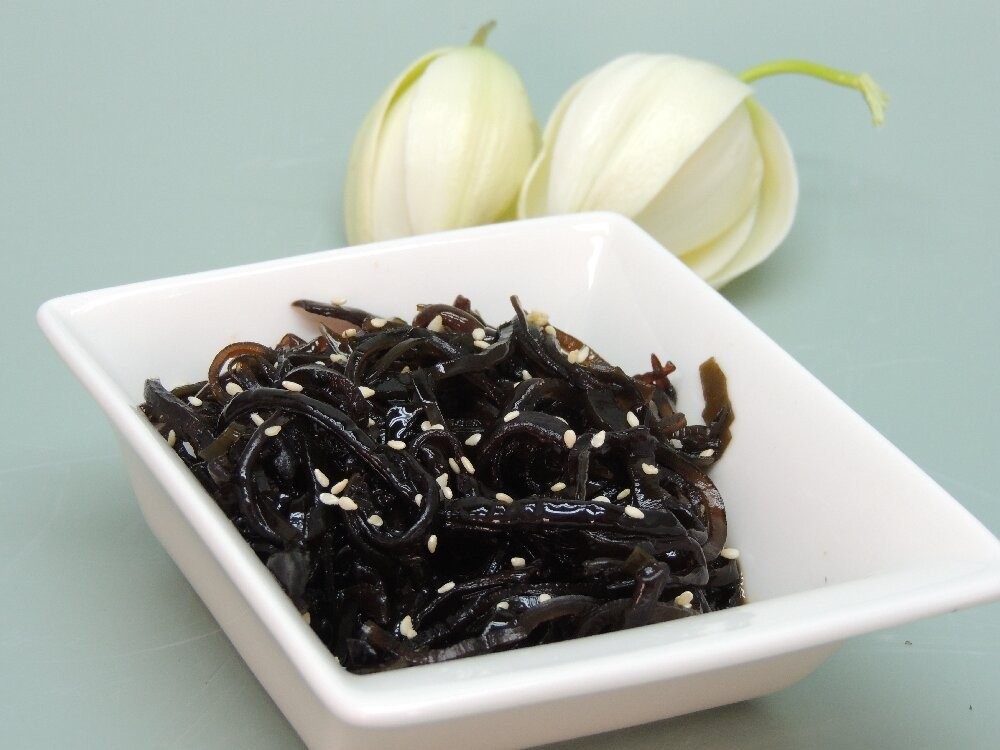
Tsukudani can be made from a wide range of ingredients. Seaweed, including kelp and wakame, is one of the most common bases, but small fish, shellfish, mushrooms, and certain vegetables are also used. The flavor profile is typically salty-sweet, with a deep umami character from the simmering process. Because the seasoning is reduced rather than sprinkled, the taste is concentrated and slightly sticky. Seaweed tsukudani in particular offers a firm, chewy texture and a savory note that pairs well with mild rice.
What Is Furikake?
Definition and Typical Uses
Furikake is a dry Japanese condiment designed to be sprinkled over cooked rice. Unlike tsukudani, it is not simmered in a heavy sauce; instead, it is a blended mixture of small, dry ingredients that are often toasted or dried. It is used as a finishing seasoning, added just before eating, and is valued for its convenience and varied texture. Furikake is also sometimes used on noodles, salads, or onigiri.
Common Ingredients and Flavor Variations
Typical furikake ingredients include toasted sesame seeds, shredded nori, dried bonito flakes, dried egg, salt, sugar, and sometimes dried vegetables or small pieces of fish. Flavor variations range from savory and salty to slightly sweet, and some versions include wasabi, shiso, or other aromatic additions. Because the ingredients are dry, furikake stays loose and free-flowing, making it easy to control the amount added to a bowl of rice.
Tsukudani vs Furikake: Key Differences at a Glance
Texture, Moisture, and Shelf Stability
The most obvious difference between tsukudani and furikake is moisture. Tsukudani is moist, dense, and somewhat sticky due to its reduced seasoning liquid. Furikake is dry and granular. This affects shelf stability: tsukudani relies on its heavy seasoning and low moisture to keep, while furikake relies on being thoroughly dried. Both can have long shelf lives when unopened, but furikake is generally more resistant to spoilage after opening because it contains less moisture. Tsukudani should be kept refrigerated after opening in many cases, while furikake can often be stored at room temperature.
Flavor Intensity and Culinary Role
Tsukudani delivers a concentrated, deep flavor and is often used in small amounts as a topping or mixed into rice. It can also be used as a cooking ingredient, adding savory depth to simmered dishes or stir-fries. Furikake is lighter and more of a finishing touch. It adds aroma, texture, and a burst of flavor without heavily saucing the rice. In short, tsukudani is a condiment with substance, while furikake is a sprinkle-on seasoning.
Seaweed Tsukudani and Furikake Ingredients Compared
Seaweed appears in both categories but in different forms. Seaweed tsukudani is made by simmering kelp, wakame, or other sea vegetables until tender and seasoned. The seaweed remains moist and chewy. In furikake, seaweed is usually dried and shredded, often combined with sesame and other dry ingredients. The seaweed in furikake contributes flavor and visual appeal but not the same moist texture. When comparing furikake ingredients, you will often see nori, sesame, bonito, and salt, while tsukudani labels typically list seaweed, soy sauce, sugar, and mirin.
How to Choose Based on Your Needs
Meal Type and Pairing Considerations
If you are preparing a simple bowl of rice and want a substantial, savory topping that clings to the grains, tsukudani may be the better choice. It works well with plain rice, rice balls, and as a side for grilled fish or vegetables. If you want a light, customizable seasoning that can be sprinkled on rice, noodles, or salads, furikake offers more flexibility. For meals where you want to control saltiness and texture, furikake allows you to add as little or as much as you like.
Storage, Packaging, and Convenience
Consider how you will store the product. Tsukudani often comes in jars or sealed bags and may need refrigeration after opening. Furikake is typically sold in shaker bottles or resealable pouches and is easy to keep in a cupboard. If portability matters, furikake is more convenient for lunches or travel. If you prefer a pantry staple that can also be used in cooking, tsukudani may be more versatile in the kitchen.
Dietary Preferences and Ingredient Awareness
Both products can contain soy, wheat, fish, and other common allergens. Tsukudani often includes sugar and soy sauce, while furikake may include dried fish, egg, or dairy. If you are following a specific diet, checking the ingredient list is essential. Some products are made with simple, recognizable ingredients, while others include additives for color or preservation. Reading labels helps align the choice with your dietary preferences.
Practical Tips for Using and Storing Japanese Rice Seasonings
Using Tsukudani in Everyday Cooking
Tsukudani can be used beyond rice. A small spoonful can add depth to simmered vegetables, tofu dishes, or even pasta sauces. Because it is already seasoned, it can replace some soy sauce or sugar in a recipe. When using it as a topping, a little goes a long way. Store it in a cool, dark place before opening and follow the label for refrigeration after opening.
Getting the Most from Furikake
Furikake is best added just before eating to preserve its texture. Sprinkle it over hot rice so the steam releases the aroma of sesame and seaweed. It can also be used to season onigiri, add flavor to plain noodles, or top a bowl of soup. Keep the container tightly closed to prevent moisture from clumping the dry ingredients. If you live in a humid climate, storing furikake in the refrigerator can help maintain its freshness.
Public Reference: A Manufacturer's Product Information
Overview of a Producer's Range and Specifications
For readers who want to see how these products are described in commercial settings, public information from manufacturers can be useful. Jiangsu Youzhiqing Food Co., Ltd., based in China, produces a range of seaweed-based foods including sweet & sour seaweed salad, spicy seaweed salad, seasoned wakame, seasoned sea pineapple, vinegar-pickled wakame stems, wakame, kelp, instant soup, and dried kelp shreds. Among its products are Japanese Tsukudani Seasoned Kelp – Shiso Kelp, made from kelp, shiso, and wood ear fungus, and Japanese Tsukudani Seasoned Seaweed – Sesame Seaweed, made from kelp, sesame, and wood ear fungus. Both are listed with a shelf life of 12 months and packaging options of 100g×10 bags/ctn and 1kg×10 bags/ctn. The company also provides a guide on how to cook kelp, describing it as a large brown seaweed that can be prepared by mixing, braising, stewing, or simmering.
Official Source for Further Details
These details are drawn from the company's public profile and product pages. For complete and current specifications, readers can consult the official company profile page at https://www.jsyouqing.com/gsjj.html and the individual product pages. This information is presented as a neutral reference and not as an endorsement.
Conclusion
Choosing between tsukudani and furikake comes down to how you plan to use them. Tsukudani offers a moist, deeply seasoned topping that can double as a cooking ingredient, while furikake provides a dry, versatile sprinkle that is easy to store and control. By considering texture, storage, flavor intensity, and ingredient preferences, you can select the Japanese rice seasoning that best fits your table. Whether you prefer the rich, preserved character of seaweed tsukudani or the light, aromatic finish of furikake, both have a place in everyday cooking.