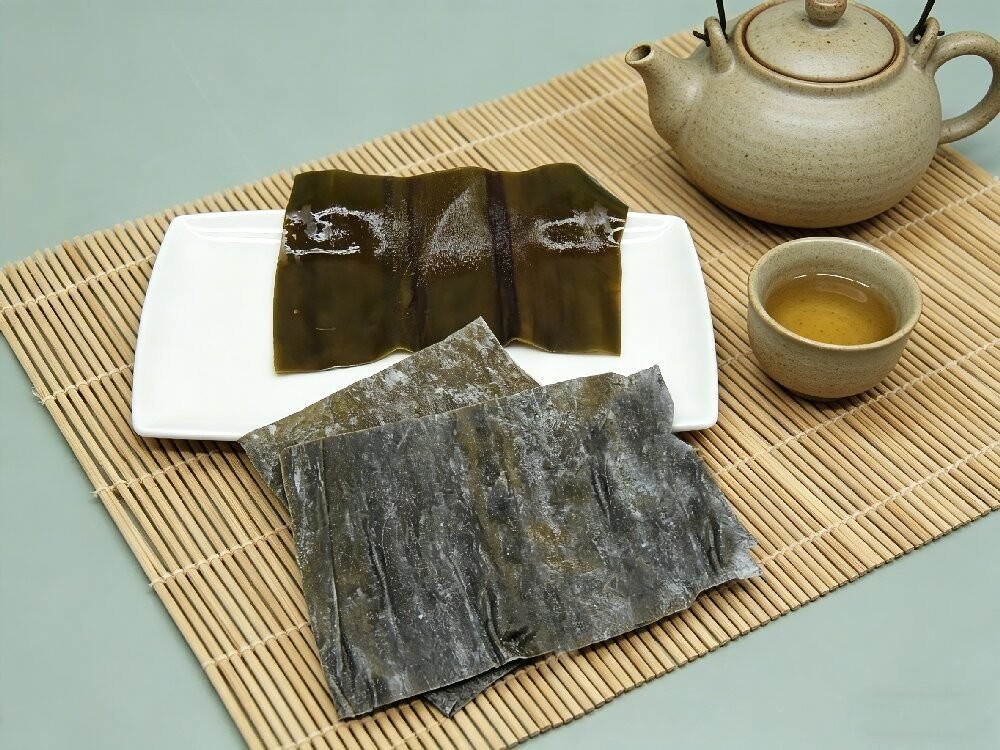
Why Dried Kelp Works Well for Camping and Backpacking
Dried kelp is a lightweight, shelf-stable ingredient that suits camping and backpacking because most of its water has been removed. That reduction in moisture lowers weight and volume while allowing the product to be kept without refrigeration under normal dry conditions. For anyone building a camping food storage plan, dried kelp offers a compact source of savory flavor that can be added to soups, rice, noodles, or hot pots.
The term backpacking seaweed generally refers to dried seaweed products, including kelp, that are carried in a pack and rehydrated or crumbled at camp. Because dried kelp is easy to store dried kelp for camping when it is kept dry and protected, it fits well into a lightweight food kit. The main task is not cooking but protection: keeping moisture, heat, and light away from the product from the moment it is repacked until it is used.
Understanding Dried Kelp Shelf Life and Product Forms
Typical Shelf Life and Packaging Considerations
Dried kelp shelf life depends on several general factors. Moisture is the most important; if the product absorbs water, it can soften, clump, or develop quality loss. Heat accelerates deterioration, while direct light and oxygen can gradually affect color, aroma, and texture. For these reasons, commercial dried kelp is usually sold in sealed packaging, and the stated shelf life assumes the package remains intact and is stored in a cool, dry place.
Once a package is opened, the original shelf life no longer applies in the same way. The product should be resealed or moved into an airtight container. In the field, a partially used bag left open in humid air or inside a warm tent can decline quickly. A simple rule is to treat any opened dried kelp as a product that needs immediate protection from air and moisture.
Common Forms: Shreds, Strips, and Whole Leaves
Dried kelp is commonly available as shreds, strips, and whole leaves. Each form behaves differently in storage and use.
- Shreds are thin and dry quickly. They take up little space, compress well, and rehydrate relatively fast, which makes them convenient for short trips or for adding directly to hot liquid.
- Strips are thicker and hold their shape better, but they need longer soaking and occupy more volume per serving.
- Whole leaves are the bulkiest form and are more prone to cracking or breaking if compressed too hard, yet they can be torn or cut to size at camp.
Form affects packability as much as weight. Shreds and small pieces can be pressed into a compact bag, while whole leaves may need a flat, rigid container to avoid crushing. Choosing a form that matches the trip length and the intended meals helps reduce wasted space and unused portions.
Core Principles for Storing Dried Kelp on Camping Trips
Moisture, Heat, and Light Protection
Three conditions drive most quality loss in stored dried kelp: moisture, heat, and light. An airtight container or resealable bag limits exposure to humid air. An opaque bag, a dark stuff sack, or an outer container that blocks light prevents unnecessary exposure. Keeping the food out of direct sun and away from stove heat or a warm vehicle interior helps avoid heat-related quality changes.
In camp, the most common mistake is leaving the bag open while cooking. Steam from a pot, damp hands, or a spilled water bottle can introduce moisture. Closing the package immediately after each use and storing it inside a larger dry bag or food sack reduces this risk. If condensation forms inside the container, the product should be dried and the container wiped before resealing.
Packing for Portability and Weight
Repackaging is the most effective way to make dried kelp portable. Buying a large bag and dividing it into single-meal portions reduces bulk and makes it easier to keep the remaining product sealed. Small resealable bags, lightweight screw-top jars, or hard-sided containers can all work, depending on how much protection is needed.
For backpacking, portion size should match the planned meals. A portion that is too large means repeated opening and closing, which exposes the product to air. A portion that is too small may leave the group short. Labeling portions by meal or day helps avoid confusion. Hard containers protect against crushing but add weight; flexible bags save weight but offer less protection against punctures. Many campers combine both by placing a resealable bag inside a stuff sack or a rigid food container.
Practical Camping Storage Methods and Rehydration Tips
Short Trips vs. Extended Backpacking
On short trips, a single resealable bag may be enough. The product is used within a few days, so the main concerns are keeping it dry and preventing it from being crushed at the bottom of a pack. Placing the bag near the top of the food bag or inside a hard container reduces mechanical damage.
On extended backpacking trips, portioning becomes more important. Dividing the total amount into day-sized or meal-sized packets limits how often the main supply is opened. Compression can save space, but excessive pressure can crack whole leaves or turn shreds into powder. A moderate approach is to press out excess air, seal the bag, and then protect it inside a rigid or semi-rigid container. Punctures are a real risk when bags share space with sharp tools or stove parts, so keeping dried kelp in a separate pouch is a practical habit.
Rehydrating Dried Kelp in Camp Conditions
Rehydrating dried kelp generally involves soaking it in water until it softens. Shreds may soften in a relatively short time, while thicker strips and whole leaves usually need longer soaking. Cold water works but takes more time; warm water speeds the process but should not be boiling if the goal is to keep a firm texture. In camp, a wide-mouth bottle or a small pot can serve as a soaking container.
After soaking, the kelp can be drained and added to soups, noodles, rice, or stir-fries. The soaking liquid may carry flavor and salt, so some campers reserve it for cooking, while others discard it depending on the dish. When water is scarce, shreds are often easier to use because they require less soaking volume and time. Planning rehydration around the meal schedule helps avoid leaving soaked kelp sitting out for long periods.
How to Tell If Stored Dried Kelp Is Still Good
Dried kelp that has been kept dry and sealed generally retains its quality well. Signs of moisture damage include softness, clumping, stickiness, or visible dampness inside the bag. A musty or off odor, discoloration beyond the product's normal range, or visible mold indicates that the product should be discarded. Texture changes alone may not mean spoilage, but they can signal that the product has absorbed moisture and should be used soon or dried further if conditions allow.
To avoid waste, rotate portions so older packets are used first. Keep a small amount in a separate bag for daily use and leave the main supply sealed. If a portion becomes damp, it can sometimes be dried in sun or near (not over) a gentle heat source, but if there is any doubt about spoilage, discarding it is the safer choice. Preventing moisture from entering in the first place is far easier than trying to reverse the damage.
Public Reference: Example of Dried Kelp Product Specifications
For readers who want to understand how commercial dried kelp may be specified, publicly available product information from Jiangsu Youzhiqing Food Co., Ltd. can serve as a neutral reference. According to the company's published product details, its Dried Kelp Shreds have a stated shelf life of 24 months and are packaged as 1kg*10 bags/ctn, requiring soaking in water for approximately 30 minutes before use. Dried Sea Tangle Strips are also stated at 24 months shelf life, packaged at 500g per bag with custom packaging available, and require soaking in cold or warm water for 2-3 hours before use. Dried Kelp Large Leaves are described as naturally wild-grown and sun-dried with no additives, with a stated shelf life of 24 months and available in various packaging sizes including 50g*50 bags/ctn and 1kg*10 bags/ctn. The company produces a range of products including sweet & sour seaweed salad, spicy seaweed salad, seasoned wakame, seasoned sea pineapple, vinegar-pickled wakame stems, wakame, kelp, instant soup, and dried kelp shreds. Its official company profile page is available at https://www.jsyouqing.com/gsjj.html. These details are presented only as an example of how dried kelp products may be described in public materials and should be verified against current packaging and documentation.
Dried kelp can be a practical camping food when storage is treated as part of meal planning. Keeping it dry, cool, dark, and well portioned preserves quality and makes it easy to store dried kelp for camping across short outings and longer backpacking routes. Matching the product form to the trip, repacking into protected portions, and checking for moisture damage before use are simple habits that help ensure the kelp is ready when it is needed.