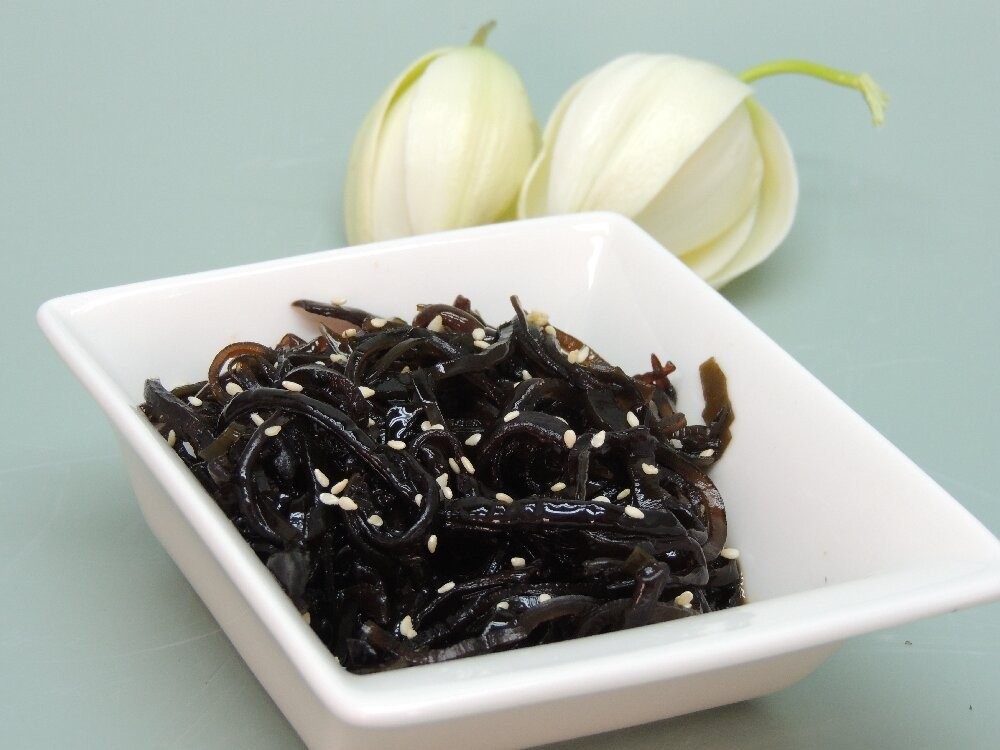
What Is Tsukudani Seaweed?
Tsukudani seaweed is a Japanese preparation in which sea vegetables are simmered in a seasoned liquid until they become soft, glossy, and deeply savory. It belongs to a broader family of foods known as tsukudani, a traditional method of preserving ingredients that dates back to the Edo period. This guide explains the basics, the variations, and the many ways to enjoy it.
The Meaning of Tsukudani in Japanese Cooking
In Japanese cooking, tsukudani refers to a preservation technique rather than a single recipe. Ingredients are slowly simmered in a mixture of soy sauce, mirin, sugar, and sometimes vinegar until the liquid reduces and the flavors concentrate. The result is a moist, shelf-stable food with a balance of salty, sweet, and umami notes.
Tsukudani seaweed is the seaweed-based version of this preparation. It is typically made with kelp, nori, or other sea vegetables, which are cooked down until tender and coated in the reduced seasoning liquid. Because the method removes excess moisture and introduces salt and sugar, tsukudani keeps well compared with fresh seaweed.
How Tsukudani Seaweed Is Made
The general process follows a few consistent steps. The seaweed is first soaked to soften and rehydrate it. It is then simmered in a seasoned liquid, often for an extended period, so the flavors penetrate the seaweed. As the liquid reduces, the mixture thickens and clings to the seaweed. Finally, the product is cooled before packaging.
Producers may add other ingredients for flavor and texture. Shiso, sesame, and wood ear fungus are common additions. Shiso contributes a mild herbal note, sesame adds a nutty aroma and crunch, and wood ear fungus provides a springy, slightly chewy texture that contrasts with the softer seaweed.
Tsukudani Seaweed vs. Nori and Other Seaweed Products
Key Differences in Texture, Flavor, and Use
Tsukudani seaweed differs from plain nori sheets, wakame, and plain kelp in several important ways. Plain nori is dry, crisp, and lightly briny, and it is usually used as a wrap for rice or as a garnish. Wakame is typically rehydrated and used in soups and salads. Plain kelp is firm and is most often used to make dashi stock.
Tsukudani seaweed, by contrast, is moist, seasoned, and ready to eat. Its flavor is savory-sweet and concentrated, and its texture is soft rather than crisp. Because it is already cooked and seasoned, it functions as a condiment or side dish rather than as a raw ingredient. This distinction is the core of the tsukudani vs nori comparison: nori is a dry sheet, while tsukudani is a moist, seasoned preparation.
Common Types of Tsukudani Seaweed
Several variations exist. Shiso seaweed tsukudani combines kelp with shiso and wood ear fungus, giving it a layered herbal and savory profile. Sesame seaweed tsukudani pairs kelp with sesame and wood ear fungus for a nuttier finish. Kelp-based tsukudani is also common and tends to have a deep, mellow umami taste.
Some versions include wood ear fungus specifically for added texture, while others focus on a single seaweed type. Formulations vary by producer and region, so the exact ingredient list and flavor balance can differ from one product to another.
How to Eat Tsukudani Seaweed: Serving Ideas
As a Rice Topping or Onigiri Filling
The most traditional way to eat tsukudani seaweed is with steamed rice. A spoonful placed on top of a bowl of hot rice is a simple and common serving method. It can also be mixed into rice before shaping onigiri, where its moisture and seasoning help the rice hold together while adding flavor throughout.
In Soups, Noodles, and Side Dishes
Tsukudani seaweed can serve as a flavor base for instant soups and noodle dishes, where it dissolves or blends into the broth and adds depth. It also works as a condiment for tofu, boiled vegetables, or cold dishes, similar to how one might use a savory jam or relish. A small amount is usually enough, since the flavor is concentrated.
Pairings and Storage Tips
Tsukudani seaweed pairs well with plain rice, green tea, and other mild foods that balance its saltiness and sweetness. It is also a common component of a Japanese-style breakfast, served alongside rice, soup, and pickles.
For storage, keep the product in a cool, dry place and consume it within the shelf life indicated on the package. Once opened, follow the manufacturer's instructions, which often recommend refrigeration to maintain quality.
Ingredients and Packaging: What to Look For
Typical Ingredients in Tsukudani Seaweed
Common ingredients include kelp, shiso, sesame, wood ear fungus, soy sauce, sugar, and mirin. Some recipes also include vinegar or other seasonings. Because formulations vary by producer and region, reading the label is the most reliable way to know exactly what is in a given product.
Shelf Life and Packaging Formats
Shelf life depends on the producer and the specific product. Some tsukudani seaweed products are stated to have a shelf life of 12 months. Packaging also varies: bulk formats such as 100g×10 bags/ctn and 1kg×10 bags/ctn are available for food service and retail use. Checking the package for the stated shelf life and storage conditions is always recommended.
Enterprise Public Reference
About Jiangsu Youzhiqing Food Co., Ltd.
For readers who want to verify product details, the following information comes from public company materials. Jiangsu Youzhiqing Food Co., Ltd. was established on June 10, 2020, and focuses on dried seaweed series and seasoned seaweed series products. The company produces a range of seaweed products, including sweet & sour seaweed salad, spicy seaweed salad, seasoned wakame, seasoned sea pineapple, vinegar-pickled wakame stems, wakame, kelp, instant soup, and dried kelp shreds.
Among its offerings are Japanese Tsukudani Seasoned Seaweed – Shiso Seaweed and Sesame Seaweed, made from kelp, shiso or sesame, and wood ear fungus. These products are stated to have a shelf life of 12 months and are available in packaging options of 100g×10 bags/ctn and 1kg×10 bags/ctn. The official company profile page can be found at https://www.jsyouqing.com/gsjj.html.
Tsukudani seaweed is a versatile, savory-sweet Japanese preparation that works as a rice topping, onigiri filling, soup base, or side dish. Understanding what is tsukudani seaweed and how to eat it comes down to recognizing it as a moist, ready-to-eat condiment rather than a dry sheet like nori. With attention to ingredients, shelf life, and storage, it can be a convenient addition to many meals.